
Tour the Facility
All facilities should be willing to show you around, and at any time during regular business hours. You should be able to see all aspects of the kennel. If certain parts of the facility are not open to the tour or have restricted visiting hours, that should be considered a red flag.
How are the Animals Fed and Monitored?
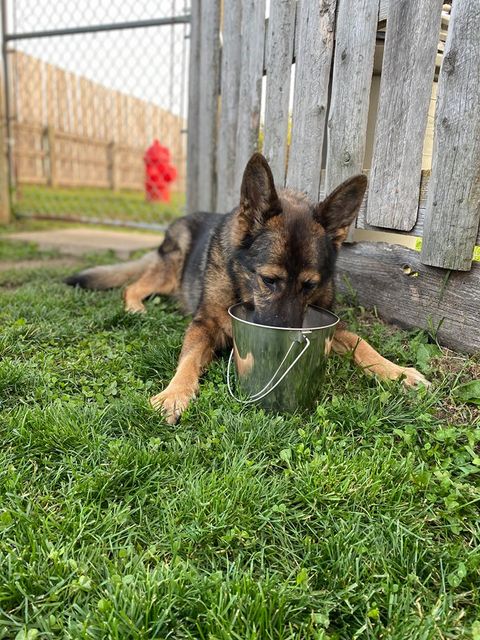
You should be able to bring your own food; the food your pet is accustomed to. Any change in the diet could cause stomach issues for your pooch. Ask how often the animals are fed (twice a day is ideal), and ask what happens if your dog doesn’t eat right away. Some dogs like to graze, so ensure the food isn’t taken away if they don’t eat it all right away.
Cleanliness
Let your nose be your guide. If you can detect a strong odour, imagine how your dog and his keen sense of smell will respond. However, there should not be a strong scent of cleaning supplies either. Chemicals can be hard on a dog’s nose. If you can’t smell anything, that’s a good sign.
Socialization
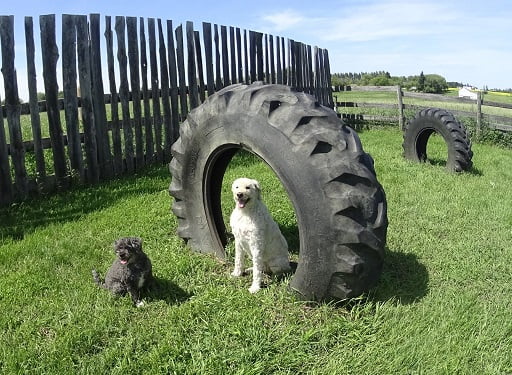
Ask how the facility allows the dogs to play. Not all dogs will get along, so is there a plan to socialize the dogs? Or are the dogs exercised individually? If dogs are playing in groups, is there a plan to ensure only dogs of similar size and temperament are put together? And are they supervised safely during this play time
What do the Pet Rooms Look Like?
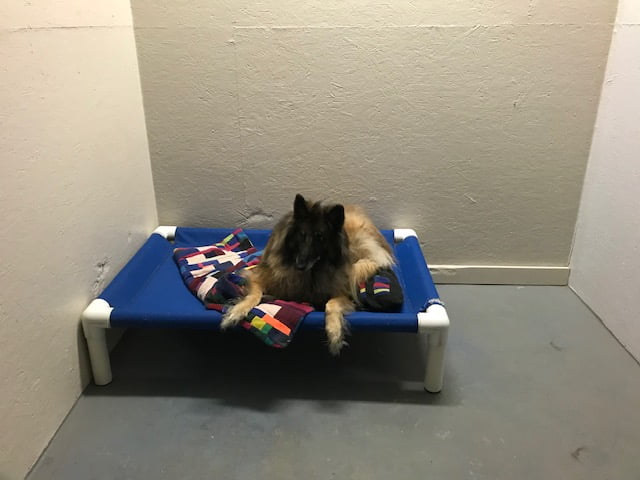
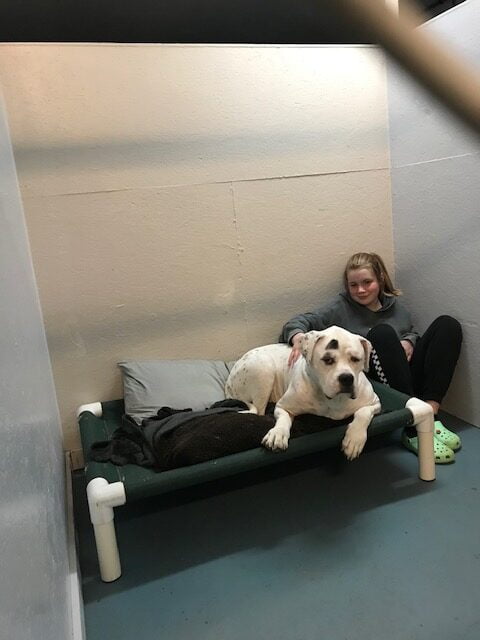
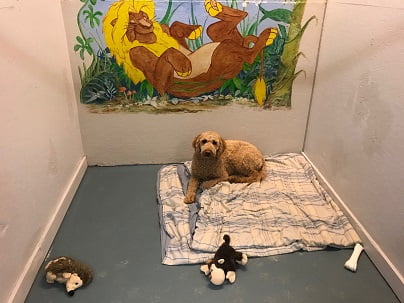
Each pet should have their own private space, and that space needs adequate room for a bed, a meal area, and space to move around. Also check to see what divides each dog’s space. A non-destructive substrate (solid walls) between kennels is ideal (insulated for sound, even better). If dogs can make eye contact, there may still be tension between the dogs that could lead to problems. Dogs like private, cozy spaces they can call their own and feel safe.
Monitoring of the Animals
Ask if the facility has a plan in place to ensure the animals are eating, and having proper biology breaks. These could be the first indicators that there’s a health problem so it is important to know if the facility is tracking how much your dog eats and that nature takes its course after that.
And what is the plan for after hours monitoring of the animals? Does the facility have the ability to look in on the pets after regular business hours have ended to ensure everything is OK.
Emergencies & Security
Ask what the facility’s plan is should your dog have a medical emergency. Will they be calling your vet or taking your animal to the facility’s vet? Who is authorized to make the medical decisions in your absence? You should, in writing, be giving someone else the ability to make important health decisions for your pet. Vets should not be providing health services to an animal unless they have informed consent from you or the person you designate.
Also ask if they have a plan to evacuate the animals should an emergency situation arise such as a tornado or a wildfire.
Vaccinations
Exercise
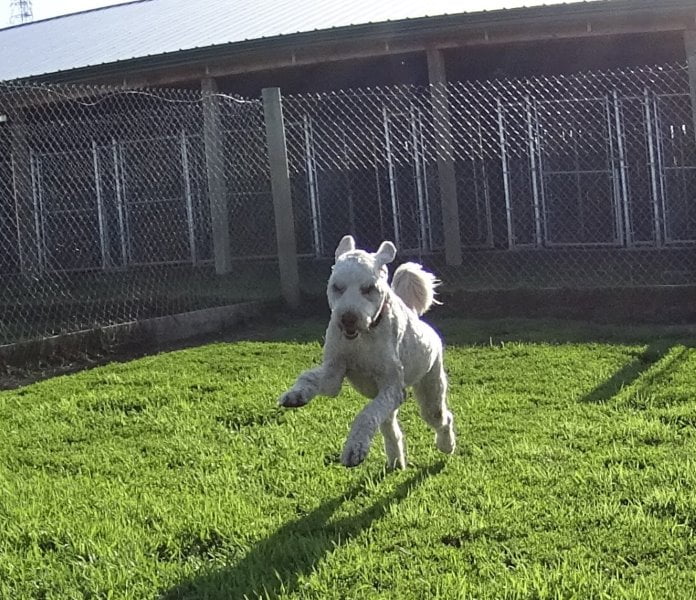
How often are the dogs let out for exercise? There should be at least four opportunities for biology breaks, plus additional time for running and playing. Are there personal walks and ball play sessions or is it just group play? Is it an indoor/outdoor facility? How do the pets get in and out? Not all animals are good with doggy doors. Is someone monitoring to ensure the dogs don’t stay out too long if it is too hot or too cold?
Climate Control
Find out what the facilities plan is to ensure the dogs don’t get too hot or too cold. Is there a backup plan should the climate control fail?
Is the Staff Trained?
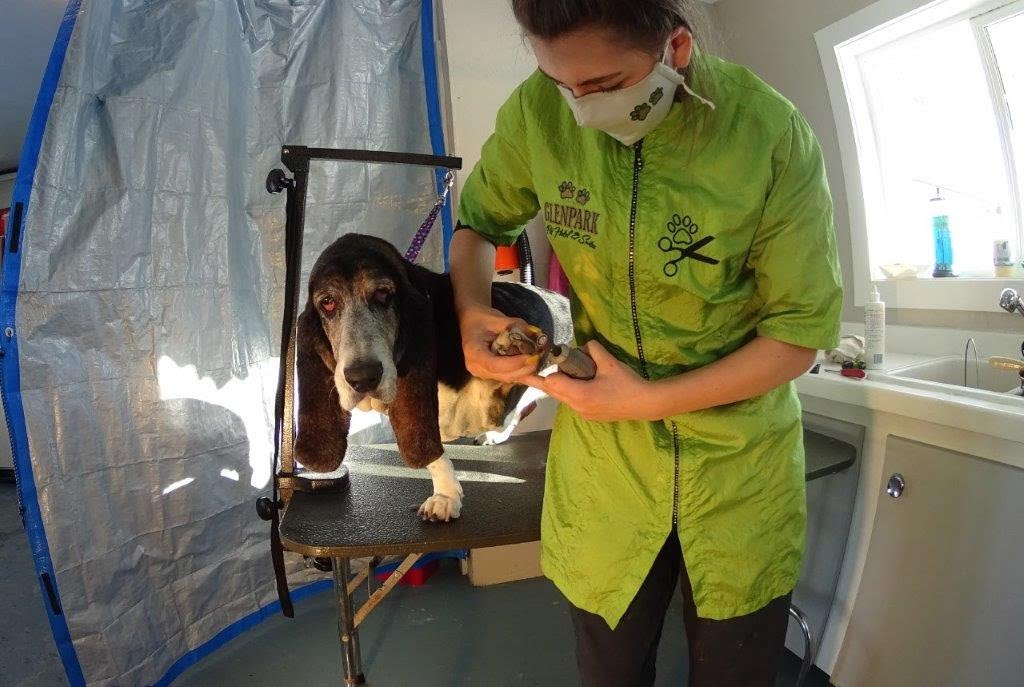
All facilities should provide staff training programs for to ensure the safety of both staff and animals. And while it’s unrealistic to expect everyone on staff is will be a certified trainer or behaviourist, there should be a mix of adult pet experts on shift at all times.
Staffing Levels
How many staff are there relative to the number of animals. Having two or three staff members for 100 dogs suggests they won’t have time to care for and monitor the animals properly. One staff member to 12-15 dogs maximum is a good ratio.
Can I Bring My Dog’s Personal Possessions?
A facility should be willing to let you bring a familiar blanket and toys to make them feel more comfortable. They should also ensure that those possessions remain only with your pet. Dogs can be possessive and sharing toys could lead to a resource guarding situation.
As a dog owner, you know each animal has their own personality, needs and quirks, and you want a boarding facility that can adapt to meet your dog’s needs. Finding the right facility may take some time, but it is worth it to know your animal will be well taken care of, and you can have peace of mind while you are away from home..