

AnimalKind Online
September 2026
Summer is coming to a close and while Albertans prepare for the winter, we’re continuing to protect animals across the province and invest in prevention-focused education. Read all about how your compassion and support are helping better the lives of animals in this month’s AnimalKind Online!
Strong Partnerships for Healthy Communities
Over the past several months our team has been busy growing partnerships that support healthy animals and healthy communities.
This summer we joined forces with the Canadian Centre to End Human Trafficking to reduce barriers for victims and survivors of human trafficking by providing temporary care for their animals. Through this partnership, people referred through the Canadian Human Trafficking Hotline can access safe, temporary care for their animals while they receive support. This helps prevent animals from being surrendered or abandoned and gives people one less thing to worry about during an already difficult time.
More recently, our team met with Alberta Council of Women’s Shelters to explore ways to make domestic violence shelters more pet-friendly — keeping pets and people together. We know that one reason people are afraid to seek help for an abusive relationship is concern for their pets. While some shelters allow people to bring their pets, most are not currently equipped to provide this option. Programs across the province, including our own Pet Safekeeping program, fill this gap, but demand continues to exceed available space.
By partnering across sectors, we can find new ways to remove barriers and strengthen the systems that support people and animals. When we work together, we can help create safer communities where people and animals can thrive.
What Is One Health?
One Health is an approach that recognizes the health of people is connected to the health of animals and our shared environment. Many of the world’s complex challenges such as climate change, food security and disease impact all living beings and our shared environments. Using a One Health approach brings together experts across fields to address challenges through perspective sharing and collaboration
Large Cases on the Rise
This summer, our Animal Protection team investigated a large number of cases with multiple animals in distress. Often, cases of severe neglect and abuse impact more than one animal, creating complex challenges for our peace officers, who must work to relieve distress for a range of species with varying needs.
Recent cases include seizing dozens of cats from a single property and rescuing multiple puppy litters that have been abandoned. Each case presents new challenges, from requiring unique and specialized equipment to capture animals, to finding appropriate temporary placements for multiple livestock.
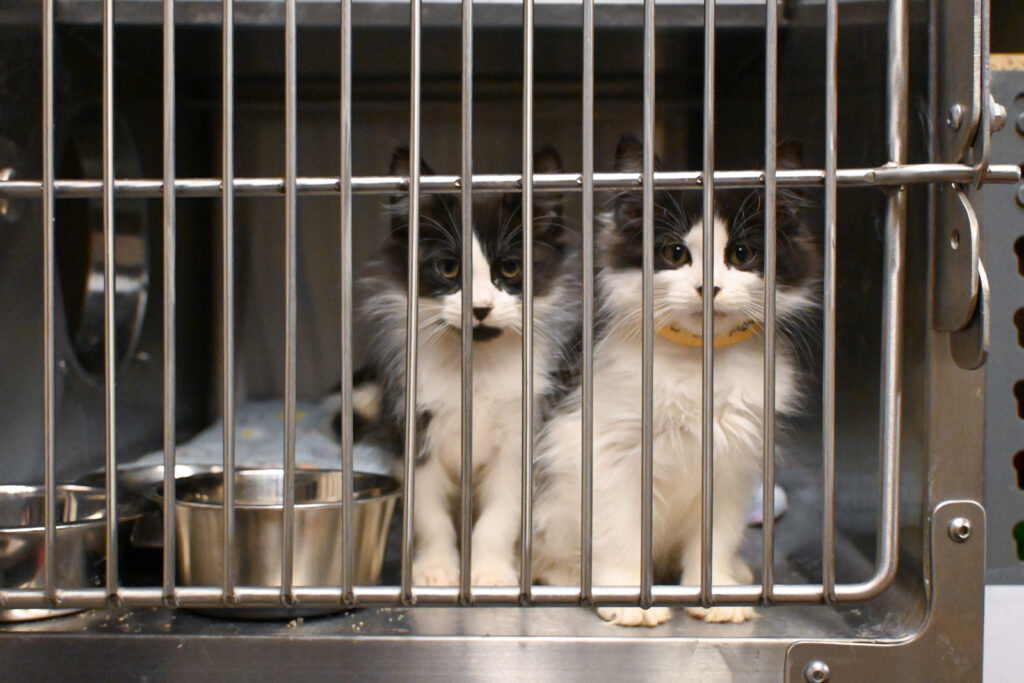
These two kittens, Elvis and Charlie, were among more than 30 cats who were recently rescued from unsafe living conditions. They had been kept in a trailer, where illness had spread due to the unsanitary close quarters. Catching these cats, some of which were feral, was a difficult task requiring intensive resources. Luckily, Elvis, Charlie and the other cats were successfully rescued and are now recovering.
A spike in recent cases like the one involving Elvis and Charlie has driven the number of animals in our temporary care to new heights — increasing housing, vet and food costs while these animals wait to be moved to adoption centres. Ensuring these animals are rescued, and properly cared for is only possible because of generous donations made by compassionate people like you. The Alberta SPCA receives 80% of our funding from our donors, meaning you can have an impact on the well-being of Alberta’s animals by donating today.
Mindfulness: Humane Education Theme
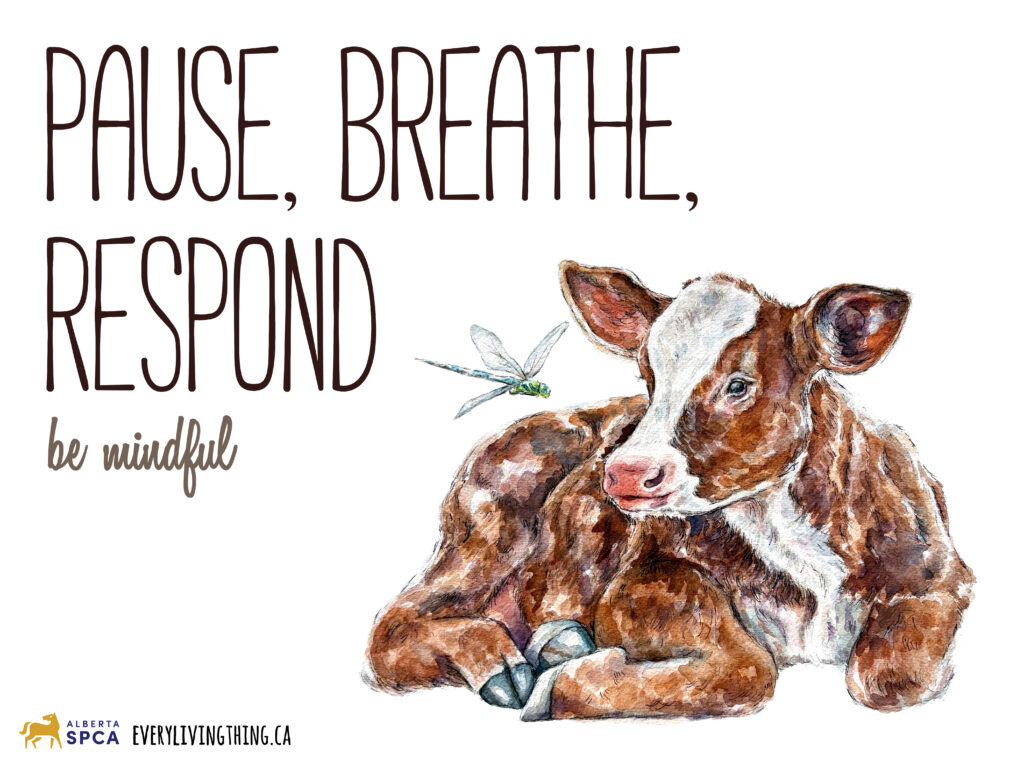
The theme for the Humane Education 2026-2027 school year is mindfulness!
Our brains and bodies are constantly responding to the world around us. Being mindful can help students slow down, notice what they are thinking and feeling and consider their response before they act. Building these simple habits can help students develop not only self-management, but also self-awareness and thoughtful decision-making skills that support positive relationships and overall well-being.
Animals can help teach these skills. By observing how animals respond to their surroundings and interact with the world around them, students can discover the value of paying attention, taking a moment and responding with care and compassion. These everyday lessons from animals can inspire students to be thoughtful in their own interactions with animals, people and the environment.
Mindfulness is increasingly relevant to Alberta teachers. The recently updated Physical Education & Wellness curriculum places a great emphasis on self-regulation and students’ ability to recognize and manage their thoughts, feelings and behaviours. Social-emotional learning (SEL) continues to gain attention in the education world as teachers look for practical ways to support students’ well-being, relationships and decision-making.
The mindfulness classroom poster provides a starting point for discussion, with an accompanying curriculum-linked teacher guide that extends the theme through a series of animal-focused activities. Students explore mindfulness, self-regulation and thoughtful responses, while also considering the connections between animals, people and the environment. Together, these resources offer practical ways for teachers to bring the theme into the classroom while fostering compassion and a deeper understanding of our interconnected world.
Alberta teachers can subscribe to our everylivingthing e-newsletter to have this classroom poster mailed to their school for free! This monthly e-news contains ideas and resources to help foster compassion for animals, people and the environment.
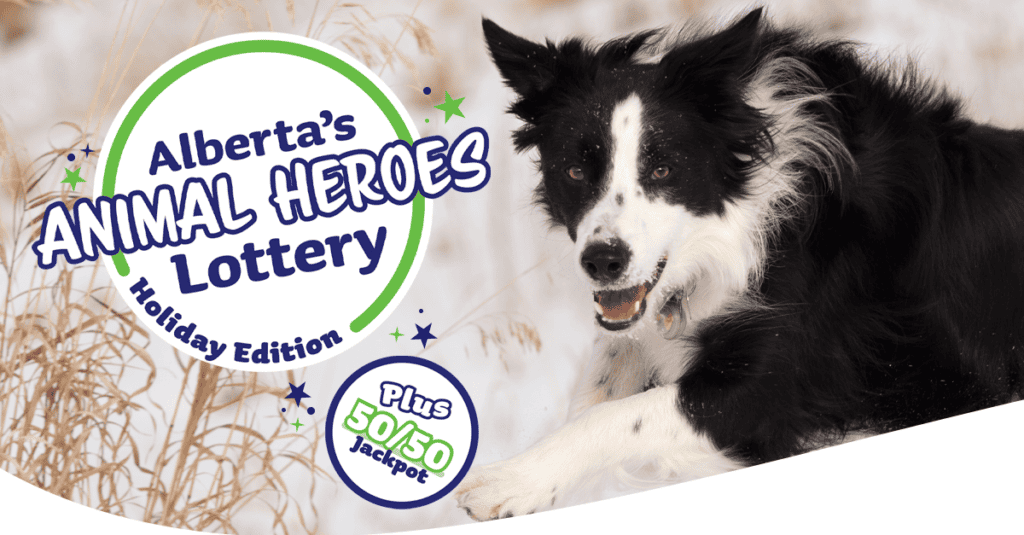
$90,000 in cash prizes plus half our 50/50 jackpot up to $325,000 (winner takes half) are up for grabs in this year’s Animal Heroes Lottery: Holiday Edition!
Your tickets fund animal protection, humane education, and pet safekeeping to help protect all of Alberta’s animals.
As the only agency dedicated to protecting animals in every region of Alberta, we rely on generous people like you to fund our work. Over 80% of our funding comes from donations and lottery purchases.
Getting your tickets contributes to animal welfare in Alberta and gives you a chance to win big. Click here to get yours!
Make An Impact
Your Contributions Keep Animals Safe
If you believe animal enforcement, pet safekeeping and humane education are critical to keeping Alberta’s animal safe, making a gift to the Alberta SPCA today contributes directly to animal welfare in our province.
80% of our funding comes from generous people like you.