
Difficult Decisions Come from a Place of Kindness
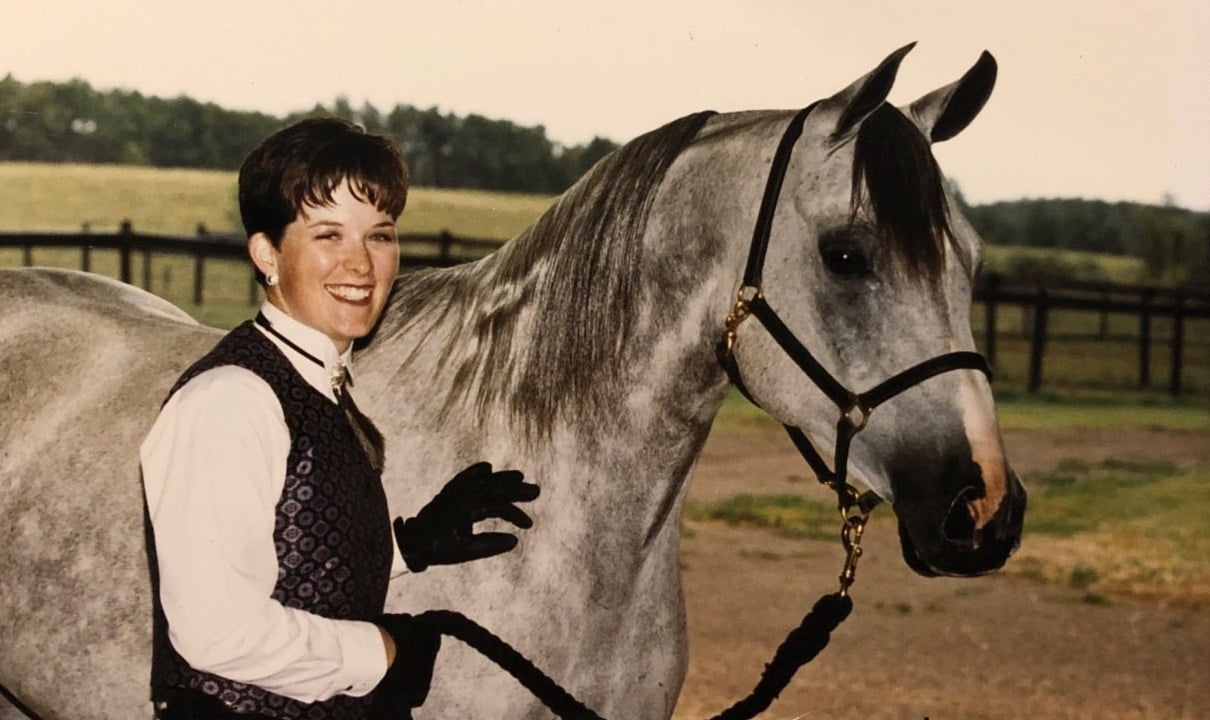
Lynsay was still in her teens when Gooseberry came into her life. The gelding was just under three years old and needed quite a bit of training
“They are amazing, they teach you things,” Lynsay says. “Responsibility-you need money to pay for things. Hard work-animals need a lot of care.”
The hard work paid off and eventually the pair just clicked. “We were a good little team. We would do everything together,” she says.
Gooseberry ended up spending 24 years in Lynsay’s family. In that time Lynsay graduated from university, got married and had children. Over the last few years, she could see Goose was showing his age. Lynsay knew he wouldn’t do well enduring another Alberta winter.
“It’s hard on horses,” explains Lynsay. “The risk of coming out and finding your horse down and not able to get up, that’s a panic. It’s a horrible situation to be in and I really wish no one would have to be in that situation.”
Lynsay understood it was time. To delay this heartbreaking decision was to risk Goose’s welfare and potentially allow him to suffer. Lynsay made the compassionate choice to end his life peacefully.
While no one wants to think about making difficult decisions for their animals before it’s necessary, the reality is that these conversations are important—and it’s best to have a plan in place ahead of time. Our peace officers often come across situations throughout the fall and winter where a senior horse is struggling to survive. Senior horses need extra care and attention to meet their dietary and health needs and to keep them warm. Even still, many suffer through the cold months despite their caretaker’s best efforts.
We encourage animal caretakers to make the compassionate and responsible choice to euthanize their animal before they experience distress. While it may be difficult to say goodbye to an animal who has been a part of the family, that attachment should not prevent caretakers from making a decision that prioritizes the animal’s well-being.
When is the Right Time?
Understanding when it’s the right time to euthanize your animal can be difficult for the caretaker because the decline in health may be gradual and not obvious to those who are with the animal daily. People may need to rely on family, friends or a veterinarian to help guide them.
“Sadly, most animals don’t go gracefully in their sleep,” says Penny Radostits, a registered veterinary technologist and certified canine rehabilitation therapist. “It’s on us to end their suffering. They’re incredibly good at hiding pain so we must go through a list of things to look for.”
Some of the key indicators to consider when assessing an animal’s quality of life include:
- Are they losing weight?
- Are they still eating?
- Are they in pain?
- Are they tired and lethargic?
- Has their behaviour changed?
- Are they enjoying life?
For Penny and many others who work with animals, there’s a saying that it’s better to put them down a day too early than a day too late. She says those who wait too long often face a heartbreaking situation.
“They’re either rushing to emergency, or the horse is down they can’t get up and it’s this big traumatic event,” says Penny. “If they go down in the middle of a field full of deep snow, it’s a challenge to get them out of there.”

Another Difficult Decision
Lynsay admits she struggled to know when it was the right time to put Gooseberry down, but she tried to take a practical view. She says, “If I can’t maintain you, I have to let you go.”
Unfortunately, Lynsay has made another difficult decision. Her 17-year-old mare, Aspen, has a lame leg following an injury, and she knows her girl will struggle this winter.
Although Aspen is not quite a senior horse, her health challenges are significant. Lynsay is at peace with her decision, acknowledging it comes from a place of kindness.
“That truly is the best thing we can give as humans back to them is let them leave Earth with grace and dignity.”