
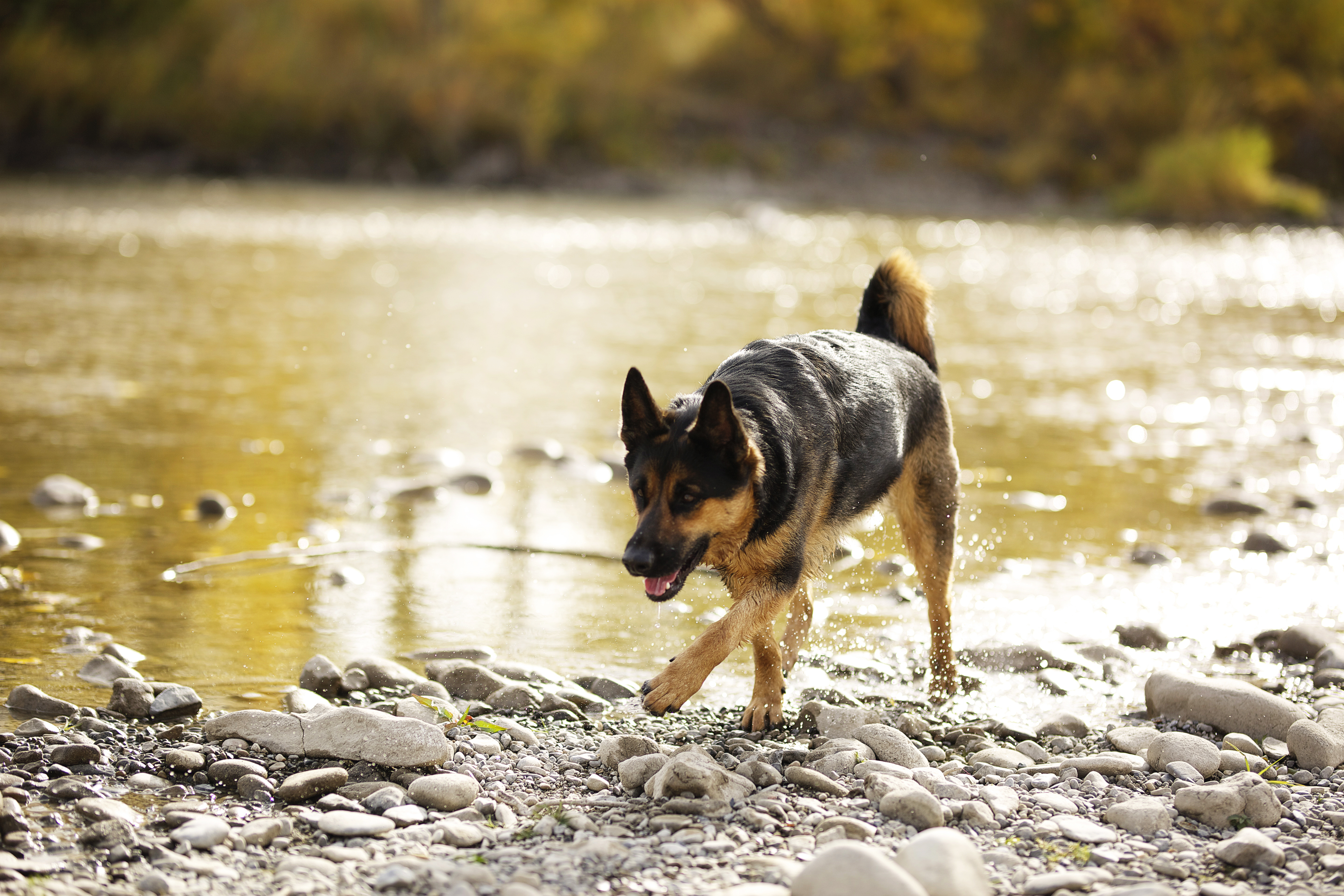
Summer is upon is and Alberta is starting to heat up. Across the province people and pets are gearing up for all kinds of warm-weather activities. Ensuring your animals are safe this summer is just as important as enjoying the sunny months.
Here are five tips for keeping your animals safe this summer.

Tip #1: Hot Days
Despite our long cold winters, we all know that Alberta can get hot in the summer. Like us, our pets are not immune to the effects of hot weather. When temperatures rise, take extra precautions with your pets by:
- Avoiding or only taking short midday walks when it is hottest.
- Walking on grass to avoid the hot asphalt.
- Ensuring your pet has plenty of fresh, cool drinking water.
- Limiting extended high-exertion exercise like running.
- Avoid prolonged outdoor exposure during smoky days.
Pets regulate their body temperature differently than humans, and as such are more susceptible to overheating. Taking steps to ensure their body temperatures remain stable can prevent serious health risks.
Tip #2: Identifying Heatstroke
Heatstroke in animals is a serious condition caused by above normal body temperature (hyperthermia). While every animal can withstand the heat differently, always monitor your pet for signs of heatstroke which can occur rapidly and lead to serious complications and, in severe cases, death.
Common symptoms include:
- Excessive or heavy panting and drooling.
- Reddened gums/mucous membranes.
- Abnormal lethargy.
- Rapid or erratic heart rate.
- Vomiting, convulsions, or collapsing.
If your pet begins to show signs of overheating, immediately stop activity and help them cool down by bringing them to a cool, ventilated area, using a fan to blow cool air on them, or sponging them with cool (never cold) water.
If symptoms of heatstroke begin to occur, contact a veterinarian while also taking immediate steps to cool your pet.

Tip #3: Pets in Cars
We love our pets, and quite often we want to take them with us wherever we go. Taking them for a car ride or bringing them along while we run errands means they never have to leave our side, but there are safety considerations to take when driving with your pets.
Under the updated Animal Protection Act, caregivers will have the responsibility to, “transport the animal in a manner that ensures the animal’s physical safety and minimizes the potential for distress to result.” To ensure they are safe, always secure your pets with a harness fastened to a seat belt or inside an appropriate kennel. An unsecured pet can be severely injured and pose a danger to passengers in the event of an accident and can be a distraction to drivers.
Every summer, the Alberta SPCA receives hundreds of calls regarding pets left in parked cars. Temperatures can rise quickly inside parked cars, even on mild summer days. Leaving animals in parked cars, even for a few minutes, can lead to overheating and death. Never leave your pets alone in a parked car.
Leaving your car running with the AC on may keep the car cool, but it leaves the vehicle susceptible to theft and if the car shuts off or the AC fails, the temperature will rapidly rise.
If you see a pet in distress in a parked car this summer, call 911 as police will be able to respond faster than Alberta SPCA peace officers and have the authority to enter the vehicle if necessary.
Tip #4: Wildfire and Smoky Days Preparation
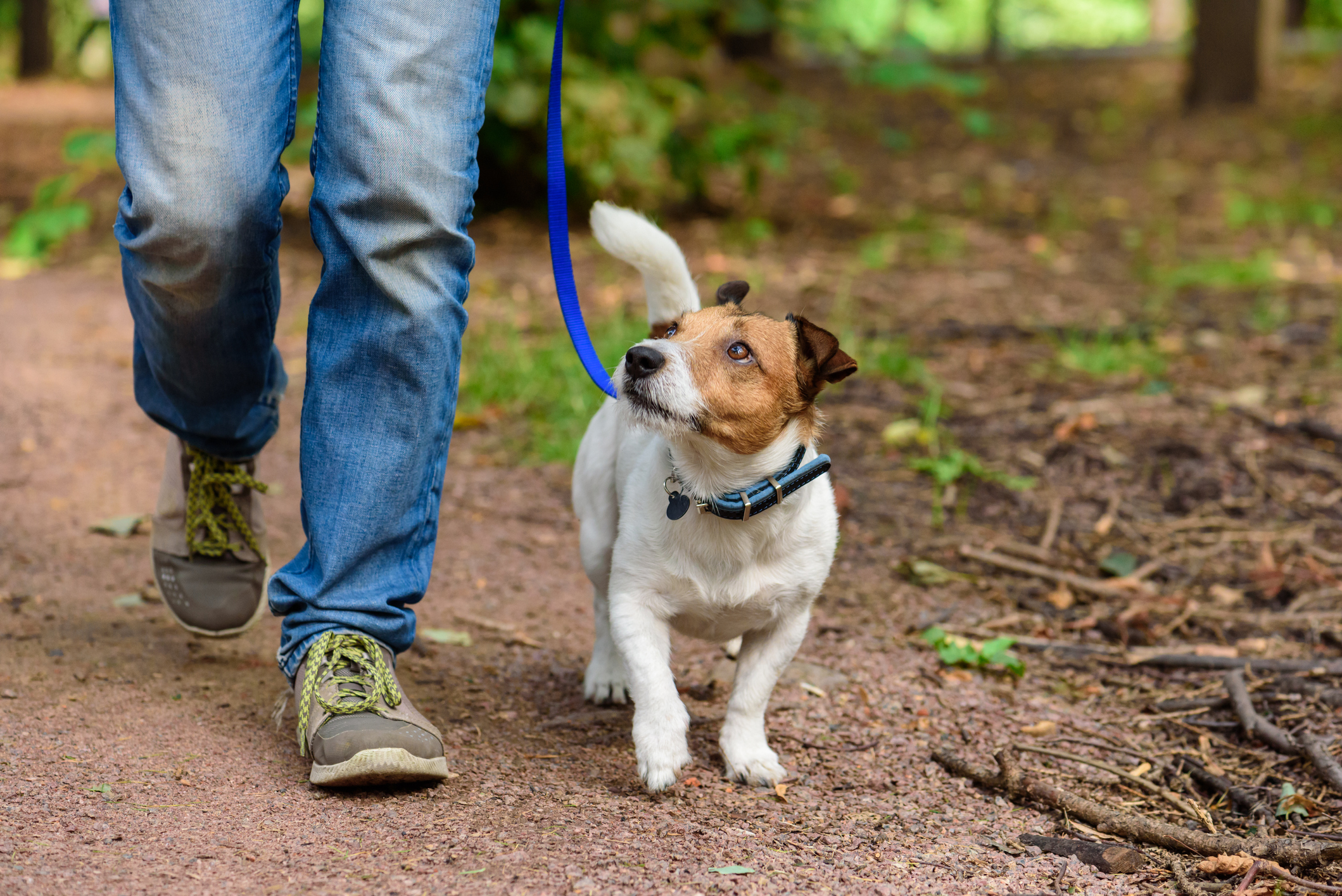
Alberta’s recent spike in wildfires has highlighted the need for emergency preparedness, and while many people have emergency plans in place for their families, animals can often be forgotten. Wildfires can cause emergency evacuations, and caregivers must be prepared to bring their animals with them if an urgent evacuation is needed.
To prepare your pets for emergencies:
- Build an emergency kit with 14 days worth of food and medication
- Create digital copies of identification
- Ensure proper transportation is available
- Make sure collars have updated contact information
Check out our recent blog for more animal emergency preparedness tips.
Tip #5: Pets and Bodies of Water
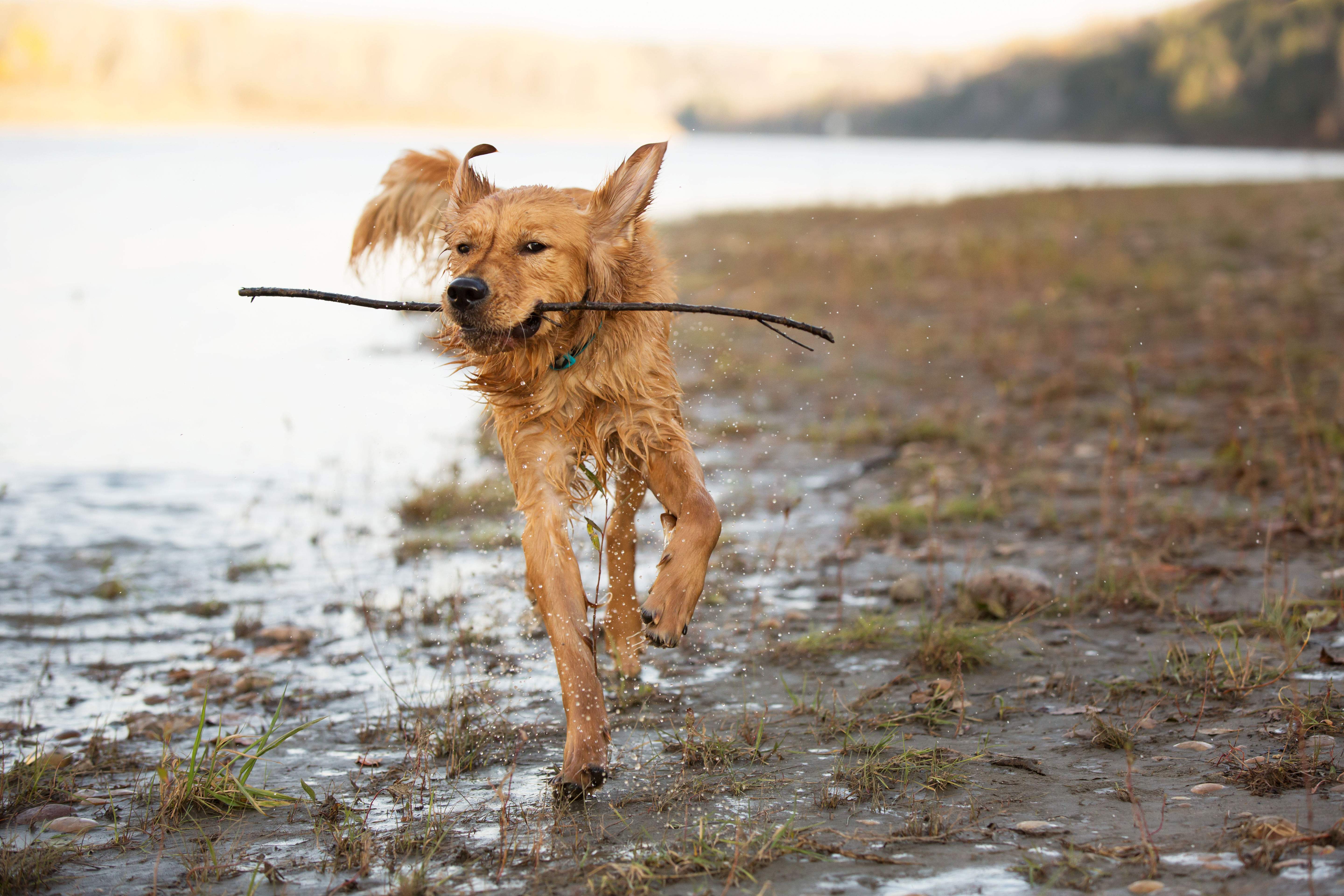
Our province has no shortage of lakes and rivers which provide the perfect respite from hot weather for people and their animals, but it’s important to exercise caution around bodies of water. Near rivers, monitor your pets to ensure they aren’t venturing too far into fast currents. If you take your pet with you on a boat, make sure to fit them with proper life jackets. Check to make sure the pond or lake you are visiting doesn’t contain blue-green algae which can be highly toxic to pets. Monitor Alberta Health Services website for active advisories.
Keeping your pets comfortable and safe is the best way to enjoy Alberta’s beautiful warm-weather season together.
Follow along with the Alberta SPCA for more pet caregiving tips!