
Flea and Tick season has arrived in Alberta. Both pests can be hosted by dogs and cats and can cause health issues for your animals.
Ticks
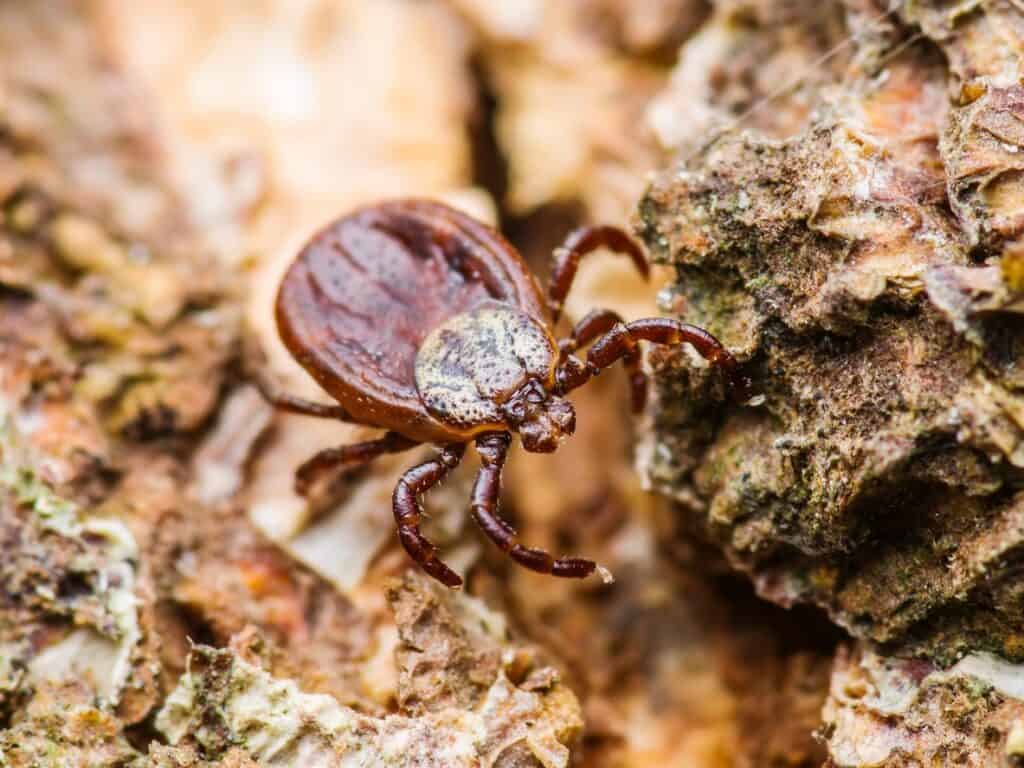
Ticks are small spider-like arachinds that attach themselves to the skin and feed off blood. Ticks are more common than many people realize. In 2017, close to 2,000 ticks were removed from Alberta pets and voluntarily submitted to Alberta Health for testing, according to the government’s website. While tick bites do not cause health problems on their own, certain species of ticks are known to transmit diseases, including Lyme disease. It is important to remove ticks as soon as possible to prevent the transmission of diseases as it often takes 36 to 48 hours for the Lyme Disease bacterium to be transferred.
Tick Removal
If a tick is attached to your skin or your pet’s, Alberta Health advises it can be safely removed using the following steps:
- Using tweezers, gently grasp its head and mouth parts as close to your skin as possible.
- Without squeezing the tick, slowly pull the tick straight up off the skin – do not jerk or twist it.
- Do not apply matches, cigarettes or petroleum jelly to the tick.
- Once the tick has been removed, clean the bite area with soap and water and disinfect the area with an antiseptic. Wash hands with soap and water.
- Save the tick in a clean, empty container. Do not add any ventilation holes to the container that is being used to put the tick(s) in. You can put more than one tick in the container if they are found on the same person or in the same general area in the environment.
- Add a small piece of tissue or cotton ball, lightly moistened with water, into the container to prevent the tick(s) from drying out.
- Submit the tick for testing as soon as possible.
How to submit a tick to Alberta Health
Tick Prevention
Alberta Health lists the following recommendations to prevent acquiring ticks:
- Walk on cleared trails whenever possible, and avoid walking in tall grassy or wooded areas.
- Wear light-coloured clothing and cover up as much skin as possible, for example, a hat, long-sleeved shirt, long pants with the legs tucked into socks or boots.
- Use a bug spray that contains the chemical DEET or Icaridin to repel ticks and reapply as frequently as directed.
- Check yourself for ticks after leaving a grassy or wooded area where ticks may live.
- Check your pets for ticks after they have been outside. You cannot get Lyme disease from your pet, but your pet can bring infected ticks inside. These ticks can fall off your pet and attach themselves to you.
Lyme Disease from Ticks
Dogs can acquire Lyme Disease. At first, owners will see a large round red rash around the bite mark. According to the Alberta Veterinary Medical Association, infections of the skin, joints, muscles, heart, and nervous system can follow unless treated. Only about two percent of ticks submitted to Alberta Health tested positive for Lyme Disease in 2017.
Fleas
Fleas are typically acquired from other animals, and while excessive itching is the most obvious issue for a pet with fleas, if left untreated, fleas can cause death through excessive blood loss.
Fleas are about the size of a pinhead but should be visible to the eye. Fleas do not like light so they will be easier to spot by looking through the hair of your pet toward the skin, and in areas around the belly and upper legs.
Fleas can be treated using pesticide products for cats and dogs designed specifically for flea and tick issues. Health Canada advises pet owners to follow directions on the packaging closely as misuse of the products can lead to skin irritation, tremors, gastrointestinal issues and vomiting. Pest control products obtained from your veterinarian will have a Drug Identification Number (DIN). Products bought off the shelf are licensed under the Pest Control Products Act (PCP) and will have a PCP number on the packaging. Only products with a DIN or PCP number should be used on your pet as those numbers indicate the product has been approved by Health Canada for safety and effectiveness.