
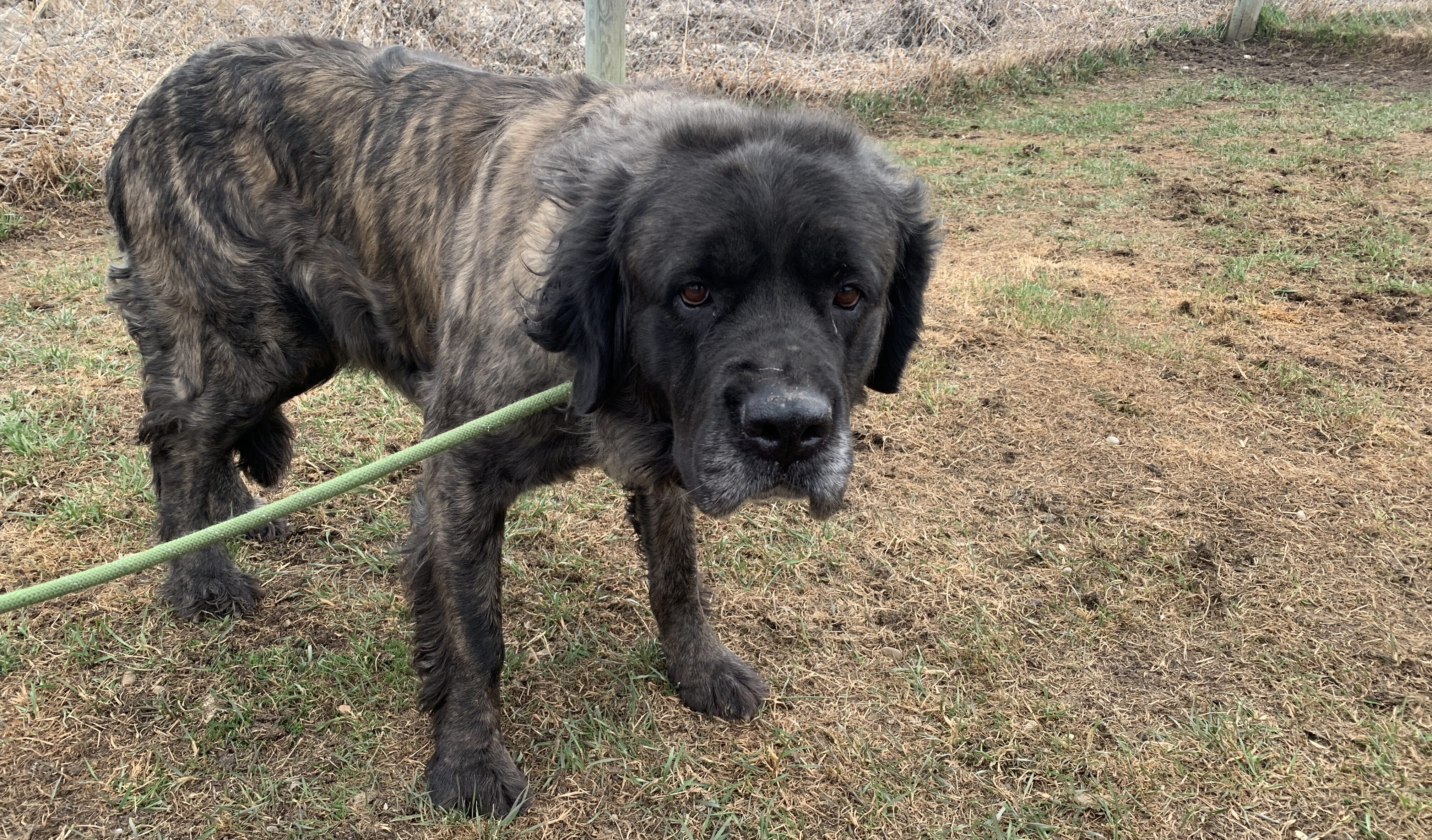
Ursula spent more than two years in temporary care before finding a new home.
As the front line of animal protection, the Alberta SPCA has the unique role of rescuing animals in distress in every region of the province. Caring for the animals after they have been seized or surrendered is just as important to their wellbeing.
Operating across the province without a physical shelter adds logistical complexity. Dealing with a wide range of species, including both companion animals and livestock, adds further stress.
Animal Care Crisis
The Alberta SPCA operations team oversees animals in temporary care after they are seized or surrendered. With an increasing number of large-scale seizures and a shortage of adopters, the number of animals in temporary care is swelling.
“Right now, we have more than 60 animals in our care,” said Heather, Alberta SPCA director of operations. “Over the last few years, it’s been rare for us to be below triple digits.”

Ideally, once healthy and able, animals our peace officers have seized or surrendered are either moved directly to new homes or transferred to a shelter or rescue to await adoption. But capacity pressures in the last few years have been disrupting this flow. When it comes to companion animals, most shelters are at capacity.
“We are thankful to have many shelters and rescues that work collaboratively with us, especially when it comes to cats and dogs,” said Heather. “But they’re experiencing overcrowding too. It’s a struggle for them to accept our animals.”
When adoption partners are unable to immediately accept animals coming into our care, we must find temporary solutions with private kennels or boarding facilities.
These animals aren’t just waiting to be adopted; they’re waiting for a spot to be available for adoption.
Furthermore, animals may need to be transported hundreds of kilometres to reach an available caregiver, consuming time and resources.
A Broad Spectrum
It’s not just about cats and dogs. In 2025, the Alberta SPCA investigated more than 16,000 animals; more than half were livestock.
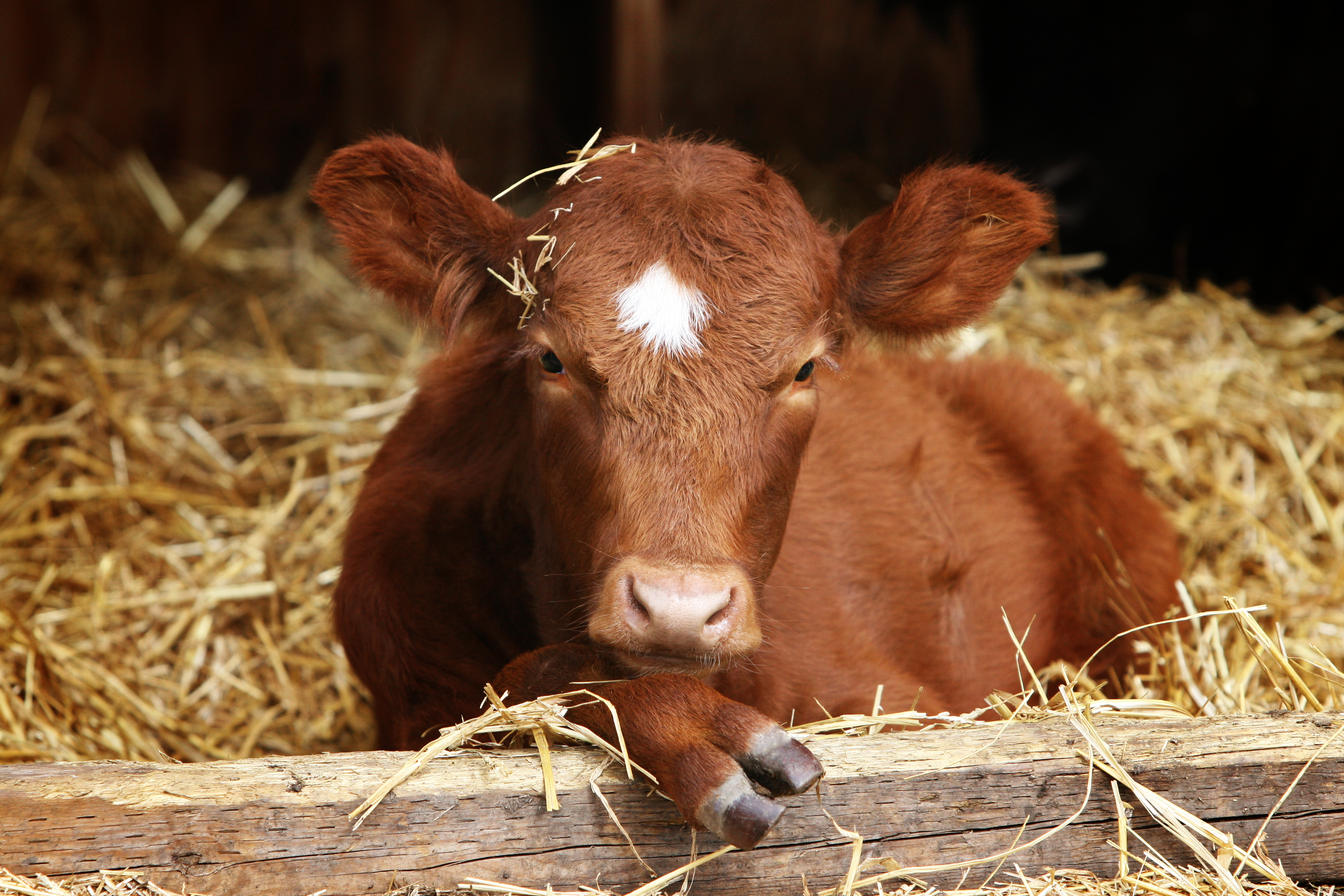
Although the need for pet adopters continues to grow, for Heather and her team, significant challenges loom for large livestock like cows and horses.
“If we seize horses or cows, we’re faced with an immediate problem — where do they go? We have some great partnerships with temporary caregivers, but they can only care for so many at one time.”
Coordinating veterinary care for livestock is also more complex than for companion animals as most treatment needs to be done on site, sometimes in extremely remote locations before the animal can be transported.
If they are fit to transport, moving them consumes significantly more time and resources than companion animals.
These issues were highlighted during a recent case where multiple dogs and horses were seized by Alberta SPCA peace officers after being found in distress in central Alberta. While the dogs were eventually moved to rescues across the area, the horses were left without an immediate home. Caregivers we had previously relied on were already at capacity.
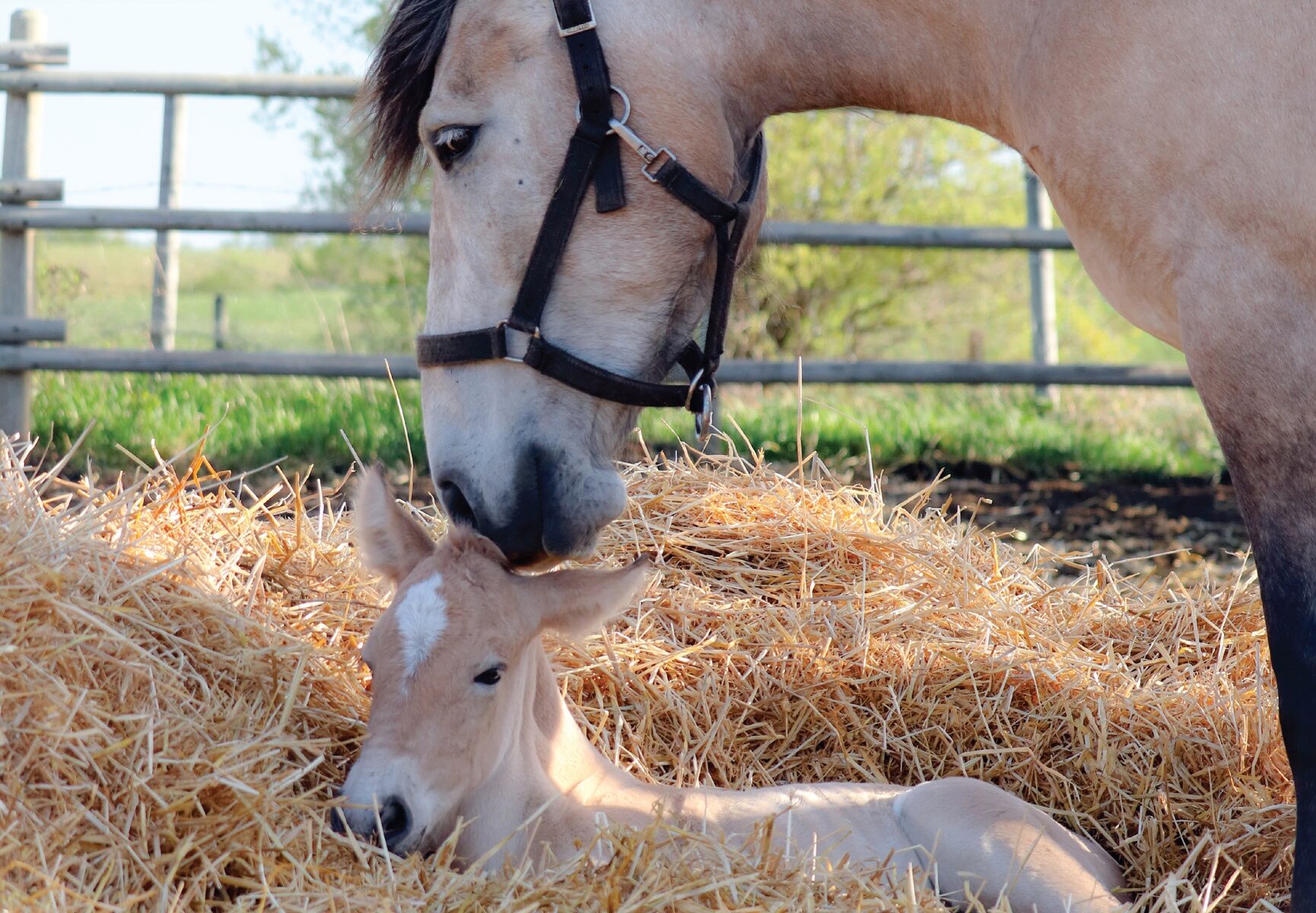
Luckily, our team made a new connection for temporary care. While the horses are safe now, this situation is a powerful example of the current strain on the animal welfare system.
The large number of pets awaiting new homes combined with the logistical challenges of livestock has created complexity and barriers which must be overcome to ensure animals are kept safe.
Solutions in Action
That’s where Heather and her team are stepping up to fill gaps through strategic partnerships across Alberta.
Establishing a network of caregivers, both temporary and permanent, has been key in expanding our capacity to relieve distress. We’ve made new connections with transport partners to increase efficiency once caregivers have been identified, and we’ve worked to ensure veterinary care is readily available wherever animals are rescued to reduce transport costs and time.
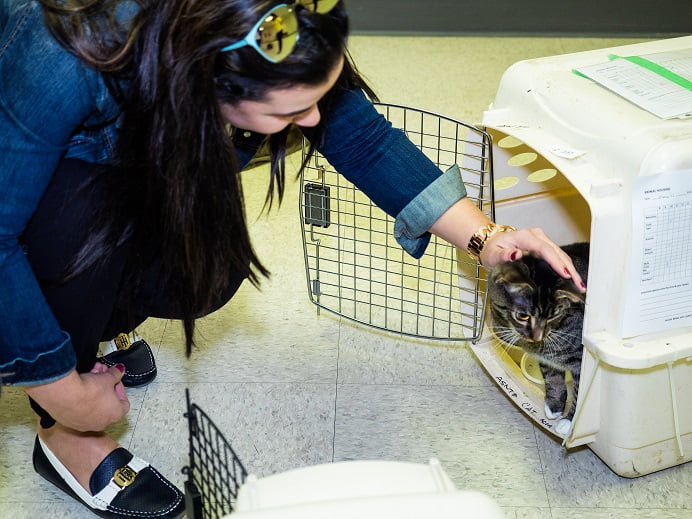
Internal solutions are critical as well. Investment in new equipment, like large trailers — purchases made possible through generous donors — provides the operations team with flexibility for transporting livestock. Education and advocacy for root-cause solutions remain integral to our mission, powered through humane education, responsible animal care and a push for stronger animal protection.
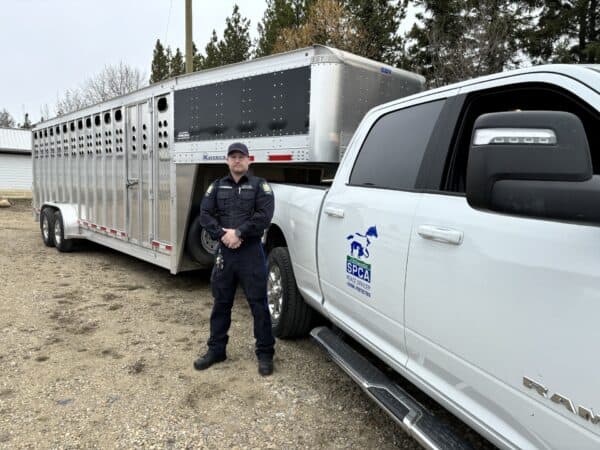
“We’re continuing to search for new partnerships and connections while also reflecting on what we can do better,” said Heather. “It’s an ongoing effort.”
These efforts continue to have tangible results, providing better, faster care for animals when they need it most. But, as the number and cost of animals in care remain high, solutions are never permanent. A new caregiver will soon reach capacity, a trailer will be needed 200 kilometres away and veterinary costs will increase.
The need for a comprehensive care network to protect animals after they are rescued continues to be central to animal welfare in Alberta.
Whether through adoption, fostering or donations, every Albertan has a role to play in strengthening the province’s animal welfare network.
The Alberta SPCA responds to thousands of calls per year, investigating animals in distress across the province. With 80% of our funding coming from donations, we rely on generous Albertans to enable us to be on the front lines of animal protection.
Click here to learn how you can contribute to animal welfare today!