
Managing Your Dog’s Separation Anxiety
For many guardians, leaving their dog home alone while they head out for the day is part of their routine. However, for some dogs, it can be a stressful experience. Some dogs may suffer from separation anxiety — a commonly observed behavioural concern characterized by signs consistent with fear, stress or panic when separated from their caregiver or when separation is anticipated. This can cause dogs to exhibit abnormal behaviours including:
– Excessive vocalization (barking, howling, whining)
– Urination/defecation (elimination) indoors, despite being house-trained
– Chewing or destroying toys or other household items such as shoes
– Escaping crates or pens
– Destructive behavior (like scratching or digging) directed at exit points[KO1.1]
– Restlessness, pacing, or even trembling
– Excessive salivation
– Loss of appetite
– Self-injury
It’s important to understand that these are not “bad” behaviours – they do not reflect spite or disobedience. Rather, these symptoms reflect a dog’s stress, panic or anxiety associated with the real or anticipated absence of an attachment figure.
While new dogs are more likely to experience separation anxiety, a change in environment or routine can cause symptoms in older dogs as well. Luckily, there are steps you can take to reduce separation anxiety in your dog.
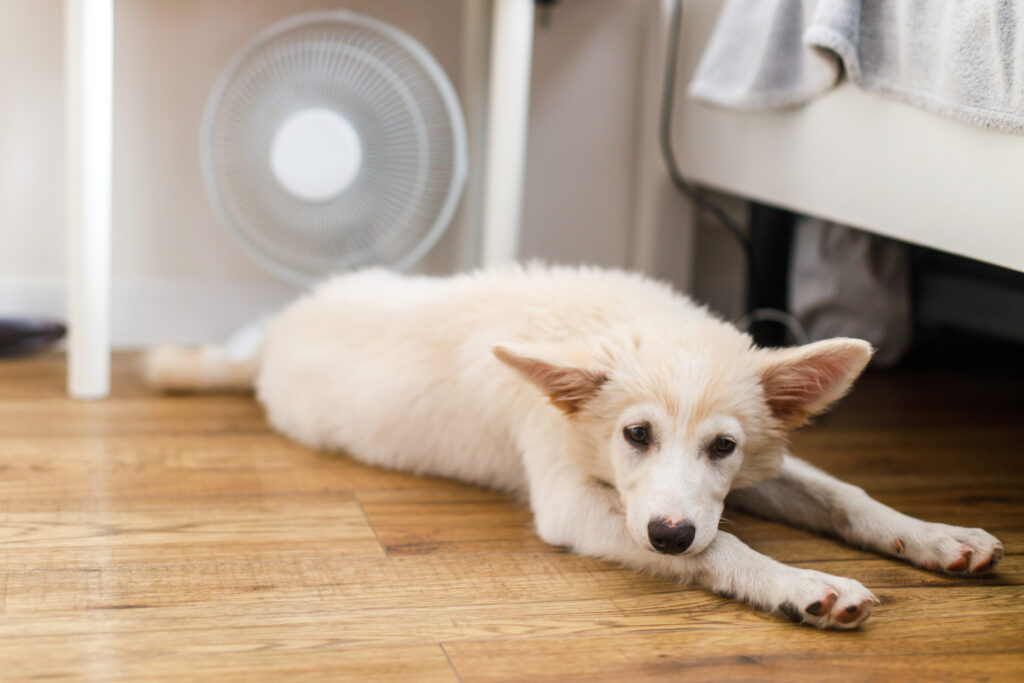
Identifying Separation Anxiety
Although indoor elimination, excessive vocalization and destroying toys are common signs of separation anxiety, there may be other causes for these actions. If your otherwise house-trained dog is urinating or defecating inside, it is important to first rule out the presence of other potential causes such as food allergies, illness, infections or other behavioural issues.[KO2.1][CP3.1]
Young puppies may destroy objects or dig indoors as part of normal growing behaviours. These problems require different approaches than separation anxiety.
Separation anxiety specifically arises when an animal is left alone or perceives that it will be. If you suspect your dog may be suffering from separation anxiety, monitor their behaviour while you are leaving for the day and upon your arrival. If possible, set up a camera and observe your dog’s behaviour as you prepare to leave and while you are gone. Video observation has demonstrated that many separation anxiety-related behaviours occur within the first 5-30 minutes after a caregiver leaves, although patterns vary. Recording dog behaviour using cameras can also reveal more subtle signs of stress, which may be helpful in identifying separation anxiety or monitoring for improvements.
Veterinarians or accredited behavioural specialists may help assess your dog and correctly identify the problem.
Don’t Discipline
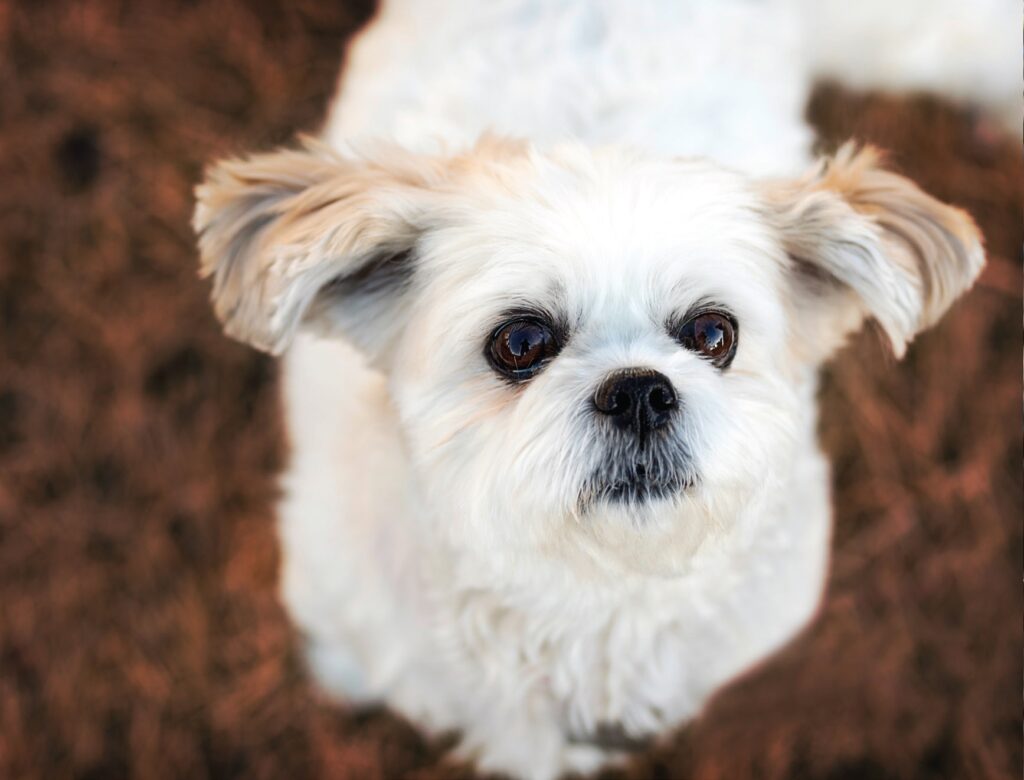
If upon arriving home you find destroyed items or waste indoors, do not get upset or angry with your dog. While this can be challenging in the moment, these actions are not a result of disobedience, rather they are a result of stress and anxiety. Punishing your dog can lead to worse behaviours.
Instead, take the following proactive steps to prevent anxiety in the first place. While this takes patience, it is the best approach to helping your dog.
Modifying Your Signals
Teach your dog that being alone is not a bad thing. Caregivers subconsciously send their dogs all sorts of signals that we are leaving. Getting dressed, packing bags or grabbing keys right before departing tells dogs they are about to be alone. This can stimulate their stress response. Instead, try doing your normal “leaving” routine and then staying home to desensitize your dog to these behaviours.
While it can be difficult, downplaying your reaction to leaving or returning to your dog can also help reduce their anxiety.
Dogs also learn through positive stimuli. Providing a treat or puzzle before departing can help reduce your dog’s immediate stress-reaction to your departure. The positive response from the treat may replace the negative stress response.
Gradual Absence
Caregivers of new puppies will know that their puppy may begin to cry or whine after only a few seconds of being alone. Your dog needs to learn that you will return. Start with short periods of allowing your dog to be alone. If your dog begins to panic, shorten the time they are left alone. If your dog is able to remain calm, you can slowly increase your absence.
Remaining consistent is crucial; if you need to be away from your home for a few hours but your dog is only comfortable for thirty minutes, you may need to have a friend, neighbour or family member check on them to ensure your work is not undone.
Proper Exercise and Stimulation
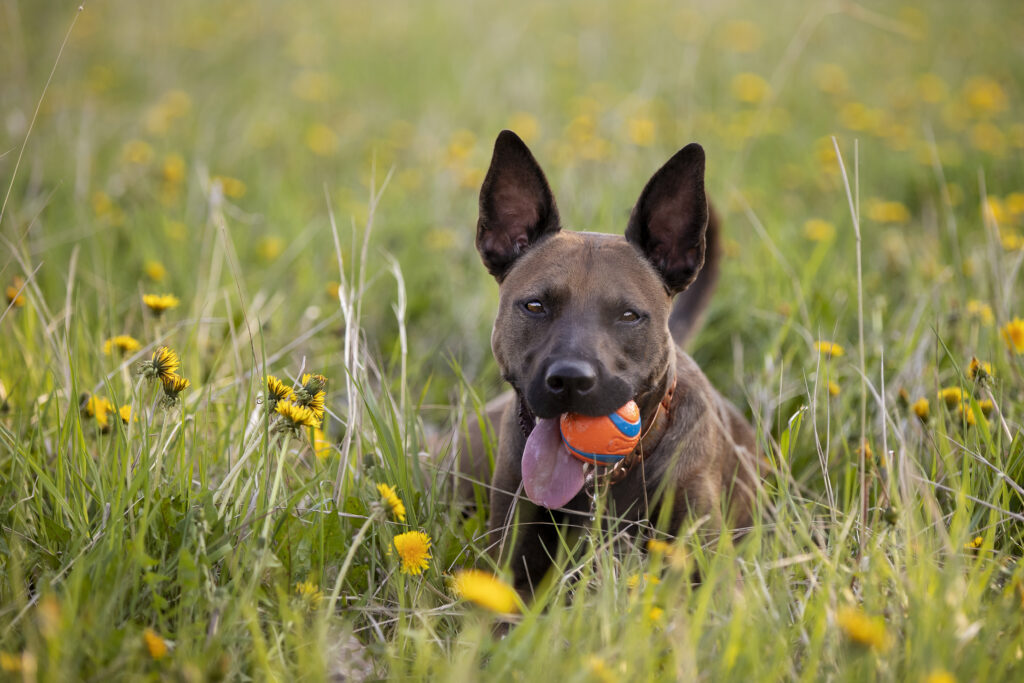
While enrichment alone will not resolve your dog’s separation anxiety, it can be helpful for managing their stress levels and boredom in the short term.
Before leaving your dog for extended periods of time, ensure they receive proper exercise and mental stimulation. Plan to take them on a walk before you leave, even if they have access to a yard. If you are leaving in a hurry, leaving treats in a puzzle or frozen in an appropriate chew toy provides your dog stimulation while you are out. Proper mental and physical enrichment helps decrease stress and provides appropriate outlets for your dog’s behaviours.
The best solution for improving your dog’s separation anxiety is through consistent behavioural modifications training that gradually helps them become comfortable being alone and teaches them to associate alone time with safe and positive experiences.
If your dog’s separation anxiety fails to improve or is unmanageable, seek professional help through a veterinarian or a reputable . In the short term, ask friends or family to check on your dog throughout the day or seek out a trusted dog walker to reduce the time your dog spends alone.