
Animals and Outdoor Smoky Conditions

When it’s smoky, keeping animals outside can be potentially harmful. Wildfires can cover large areas with smoke, creating unsafe air conditions for people and animals alike.

The Air Quality Health Index (AQHI) measures outdoor air quality for potential health risks stemming from pollution such as wildfire smoke. When the AQHI reaches 7 or above, even healthy people and animals can face health risks from outdoor exposure. Always monitor the AQHI before planning outdoor activities with your animals.
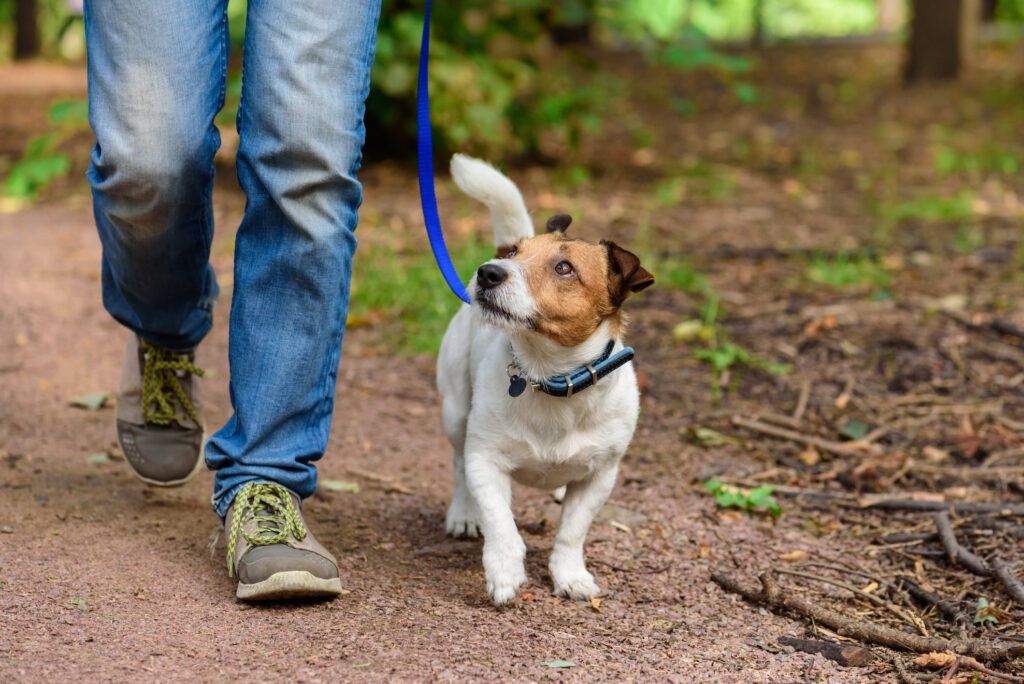
Jack Russell Terrier walking through forest by path, on a leash, with their caregiver.

Companion Animals & Smoke

When the AQHI is between 7-10 (High Risk), reduce outdoor time and avoid intensive exercise for your animals. Monitor your pet’s behaviours while outdoors and watch for symptoms such as:


  • Coughing or gagging
  • Difficulty breathing, including open mouth breathing and increased noise when breathing
  • Eye irritation and excessive watering
  • Inflammation of throat or mouth
  • Increased breathing rate
  • Fatigue, disorientation or weakness
  • Reduced appetite and/or thirst


If symptoms start to arise, move indoors and monitor your pets closely. If symptoms persist, seek veterinary care. Senior or young pets, or those with preexisting cardiovascular or respiratory illnesses, should avoid the outdoors as much as possible.


If the AQHI reaches 10+ (Very High Risk), keep pets indoors and windows shut. Limit outdoor time to brief bathroom breaks. To keep animals stimulated, provide puzzles or frozen treats.
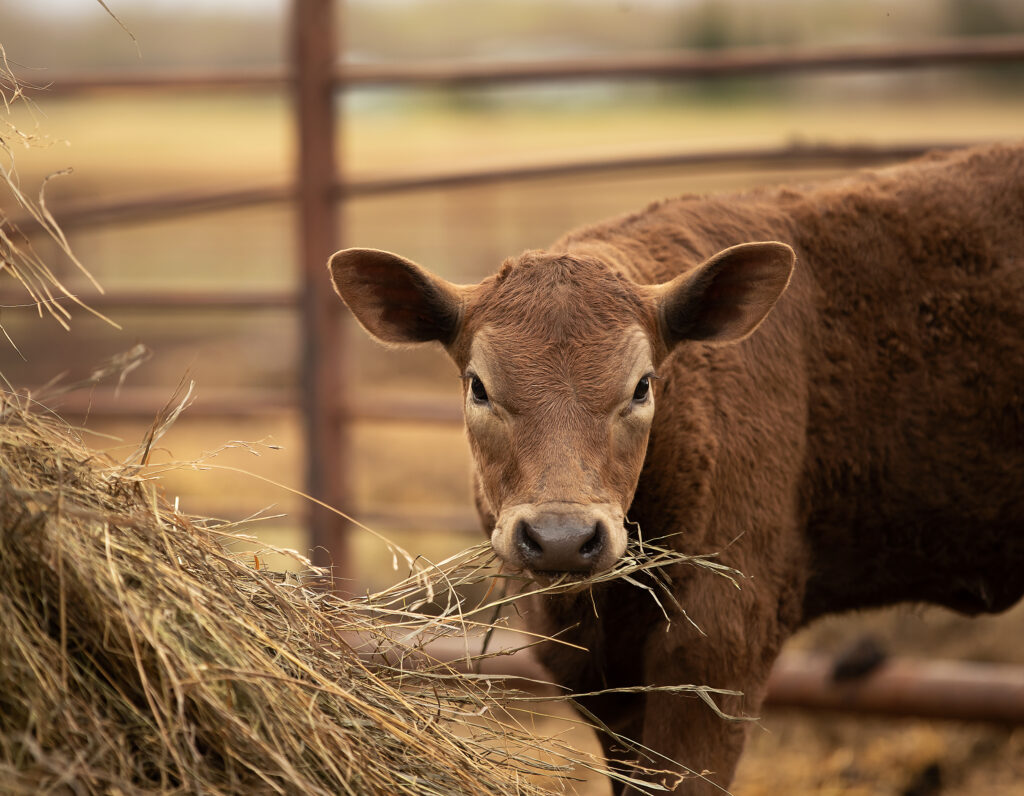
Brown cow outside eating hay, looking at the camera.

Livestock & Smoke

The smoke impacts livestock as well. While it is not possible to keep them indoors like companion animals, you can take steps to limit the impact of the smoke on them.

  • Limit exercise when smoke is visible.
  • Don’t require animals to perform activities that substantively increase airflow into and out of the lungs.
  • Provide plenty of fresh water near feeding areas. Limit dust exposure by feeding low-dust or dust-free feeds and sprinkling or misting the livestock holding area.
  • Plan to give livestock 4 to 6 weeks to recuperate after the air quality returns to normal. Attempting to handle, move, or transport livestock may delay healing and compromise your animals’ performance.


Monitor the AQHI for updates and plan your outdoor time accordingly to keep your animals safe.

Scroll to Top
Abused or neglected animal

Under the Animal Protection Act, peace officers have authority to investigate concerns of animal abuse or neglect if there is reason to believe that an animal is:

(a) deprived of adequate shelter, ventilation, space, food, water or veterinary care or reasonable protection from injurious heat or cold,
(b) injured, sick, in pain or suffering, or
(c) abused or subjected to undue hardship, privation or neglect.

Does your concern meet these requirements?

Animal that is in immediate danger
Who to call

In Edmonton:
311
Edmonton Animal Care & Control Centre

In Calgary:
403-205-4455
Calgary Humane Society

On a First Nation or Reserve:
Contact Band leadership or the RCMP

Outside Calgary, Edmonton, or First Nations:
1-800-455-9003 or complete online
Alberta SPCA

What you need when you call:
Address, details (must be firsthand), date and time, description of owner and animals

What next

If your concern is regarding intentional cruelty to
an animal, contact your local police or RCMP. If the
animal is in immediate danger, call 911.

If not, start again.

Abandoned animal

Stray animals and abandoned animals are different.
An abandoned animal has been intentionally left behind by their owner or caretaker, without proper care or intention to return.

A stray animal may or may not have an owner or caretaker, and is wandering at large (off the owner or caretaker’s property).

Wildlife

Contact a wildlife organization near you.

Who to call

In Edmonton:
311
Edmonton Animal Care & Control Centre

In Calgary:
403-205-4455
Calgary Humane Society

Outside Calgary and Edmonton:
1-800-455-9003
Alberta SPCA or complete online

Is the stray animal injured?
Who to call

Companion Animals
In Edmonton:
311
Edmonton Animal Care & Control Centre

In Calgary:
311
Calgary Animal Services

Outside Calgary and Edmonton: 
Contact municipal enforcement / bylaw office

Livestock
Contact Livestock Identification Services at 1-866-509-2088.
After hours, contact your local non-emergency police line

Short-term pet care during crisis

Review our materials

Surrendering an animal

Contact your local animal shelter.