
Prohibition orders are court issued orders that place restrictions on an individual’s ability to own, care for or live with animals. Prohibition orders vary from case to case, and are written by a court, not by the Alberta SPCA or any other law enforcement agency, although our peace officers can provide insight to the court based on what details are needed to ensure animals are kept safe. They can range from a lifetime prohibition on owning any animals, outlining species that cannot be owned, or limiting care to a set number of animals.
Presently, prohibition orders are only issued following a guilty conviction of offences under the Animal Protection Act (APA) or Canadian Criminal Code. However, a court may issue a temporary prohibition order if charges are pending.
While prohibition orders are a consequence of breaking the law, their intention is to keep animals out of danger. By pursuing prohibition orders, we can prevent offenders from causing more harm.
The Importance of Strong Prohibition Orders
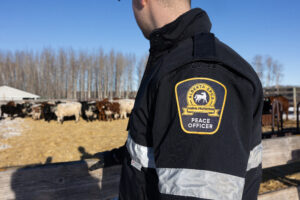
Prohibition orders can be an effective tool for preventing further distress, but how the restrictions are written can drastically alter their application in practice. Without clear, specific wording, a prohibition order can fail to meaningfully prevent harm.
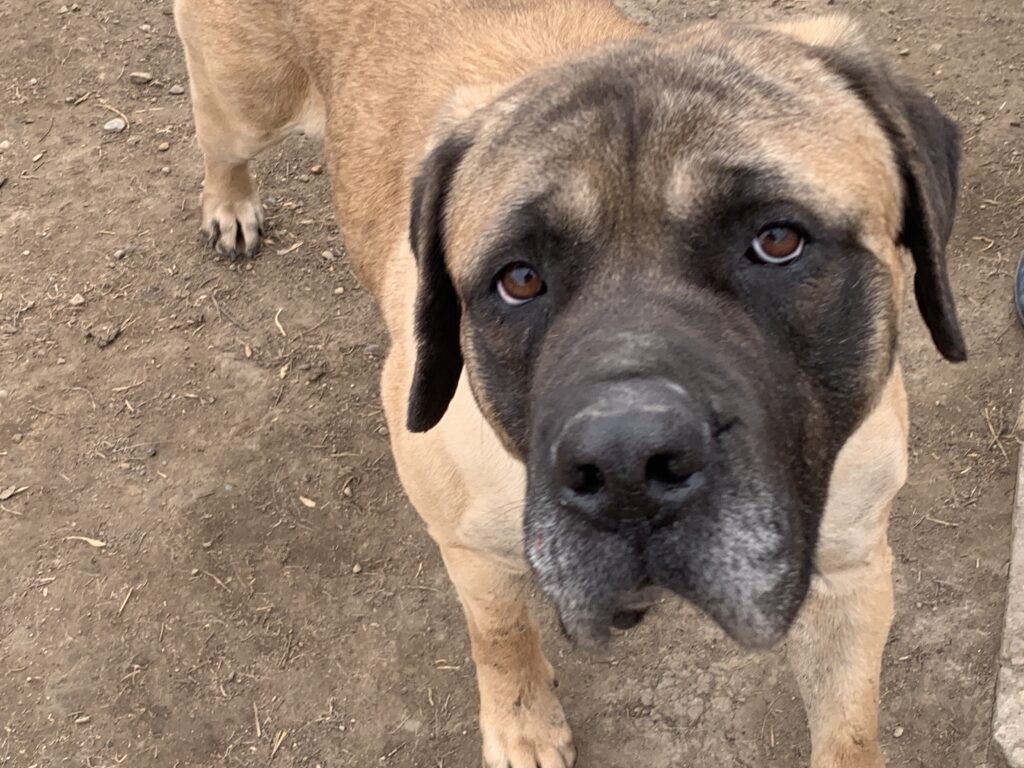
Two recent cases highlight this. After an irresponsible breeder was found with dozens of large dogs in distress, she was convicted under the APA and received a 10-year prohibition order. Crucially, this order required her to allow our peace officers into her house to inspect animals in her care — something our officers are not normally allowed to do.
Conversely, following another large-scale case involving multiple dogs, courts issued a prohibition order which permitted an individual to care for a maximum of eight dogs. However, the prohibition order did not require the dogs to spayed or neutered. This resulted in multiple litters being born on the property. These newborn pups were not properly cared for, which meant repeat visits from our officers, draining time and resources.
The Alberta SPCA continues to work closely with crown prosecutors to provide input and details into what will ensure strong, enforceable prohibition orders. While they can be an effective tool for ensuring past offenders responsibly care for their animals, there are current legal limitations which create gaps in our enforcement.
Current Limitations
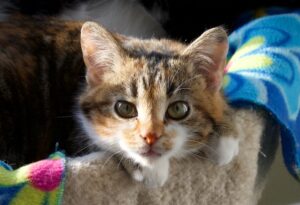
Under the Animal Protection Act, Alberta SPCA peace officers do not have the authority to issue prohibition orders. Only courts can order these bans after a conviction. Without a conviction, past animal seizures do not legally stop someone from getting new pets, forcing officers to wait until an animal suffers before they can step in
This creates situations where animals may be placed in a situation we know is potentially unsafe, but we cannot act until the animal is in distress.
If an individual is found in violation of their court-issued prohibition order, our peace officers must obtain an additional court order to remove those animals unless the prohibition order is explicitly written otherwise. This has the potential to be a lengthy process, which can leave animals in potentially dangerous environments. Furthermore, if an individual receives a prohibition in another province, it is not enforceable in Alberta.
What’s Changing?
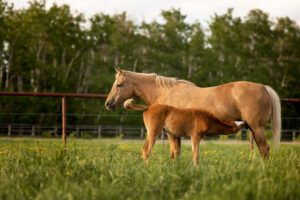
These challenges can cause significant legal hurdles for our peace officers and their ability to keep animals safe. Luckily, change is coming soon. The Animal Protection Act received major updates in the spring of 2026 and, once the new legislation goes into effect, prohibition orders will become more robust with a focus on prevention.
Prohibition Orders and Convictions
Prohibition orders will no longer require a guilty conviction. Our peace officers or other law enforcement can apply to a court for a prohibition order regardless of whether the court convicts the individual or not (13.1). This will allow the safety of animals to take priority while legal proceedings can continue at the discretion of the courts.
Seizing Animals
When an individual has an outstanding prohibition order, it indicates that they have caused distress in the past. Part of the new changes include empowering our peace officers to remove animals from individuals found in violation of their court-issued prohibition order without first obtaining a warrant (13.3). This helps prevent distress before it occurs.
Out of Province Prohibitions
If an individual receives a prohibition order from another province, it will now be recognized in Alberta (12.1). This means our peace officers can legally enforce restrictions and conditions set forth regardless of where in Canada they were placed. This is just another example of the new legislation taking a prevention-first approach to animal welfare.
Ensuring Responsibility
Although the new legislation provides more tools for our peace officers, there are still limits on prohibition orders. Prohibition orders do not give our peace officers authority to enter private dwellings; instead, peace officers can require an individual to produce an animal from inside a dwelling for inspection if they have an existing prohibition order (4.02c). These changes also do not mean our peace officers can write prohibition orders themselves. While a guilty conviction is no longer required, prohibition orders are still issued by the court (13.1).
Prohibition orders remain an important tool for our peace officers to use in keeping animals safe. With changes on the horizon, it is important to understand how they work and how they can be used to keep animals safe.