
Myth Busting 101
When it comes to animal welfare, there’s no shortage of misunderstandings. From how dogs communicate to how livestock handle Alberta winters, these misconceptions can sometimes lead to unintended harm. At the Alberta SPCA, we believe education is a key part of protecting animals. Let’s break down some of the most common myths and get to the facts.

Dog Behaviour
Myth #1: Dogs communicate just like humans
Dogs have their own language, and it doesn’t always translate the way we think. A yawn, lip lick, or head turn might seem harmless or even cute — but these behaviours can actually signal stress, uncertainty, or an attempt to calm a situation. Understanding your dog’s body language helps you respond appropriately and creates a safer, more trusting environment. The Central Alberta Humane Society has a great resource on understanding a dog’s body language.
https://cahumane.com/dog_body_languge/
Myth #2: Growling is bad behaviour
Growling can feel alarming, but it’s an important form of communication. Dogs use it to express discomfort, fear, or a need for space. Punishing a dog for growling can suppress this warning system, meaning the dog may skip straight to more serious reactions, like biting if they feel threatened. Instead, pause and assess what caused the growling. Listening to the growl helps prevent escalation and builds trust between you and your dog. Addressing the root issue helps your dog feel safer and builds trust over time.
Myth #3: A wagging tail means a happy dog
Not always. While tail wagging can signal excitement or happiness, it can also reflect anxiety, tension, or overstimulation. To truly understand how a dog feels, look at the full picture: ears, posture, facial expression, and movement. Recognizing these cues helps ensure safer and more positive interactions with dogs.
Livestock and the Cold
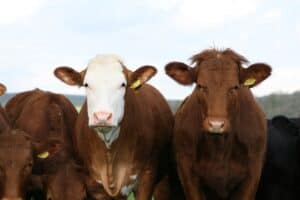
Myth #1: Snow on a cow’s back means it’s cold
Actually, the opposite is often true. Snow sitting on a cow’s back can indicate that their thick winter coat is doing its job — insulating them and preventing body heat from escaping. If snow melts quickly, that may be a sign the animal is losing heat and could need additional feed or shelter.
Myth #2: Horses always need blankets in winter
Most healthy horses are well adapted to cold weather. Their winter coats naturally trap heat, especially when supported by proper nutrition. Blankets are typically only necessary for horses that are clipped, elderly, sick, underweight, or during particularly wet and windy conditions.
Myth #3: Animals can handle Alberta’s winter on their own
We all know Alberta winters can be extreme. Although many species of livestock are adapted to the cold, animals still need proper care to stay healthy.
That means:
- Access to high-quality feed (animals burn more energy staying warm).
- A steady supply of unfrozen water (snow alone isn’t enough).
- Adequate shelter from wind and moisture during extreme conditions.
- Proper veterinary care, especially for young, sick, or elderly animals.
Providing these essentials ensures livestock can safely withstand harsh winter conditions.

Shelter Animals
Myth #1: Shelter pets have behavioural problems
This is one of the most persistent myths — and one that prevents many potential caregivers from choosing adoption. Animals enter shelters or rescues for many reasons, and behavioural issues aren’t a given. In fact, shelters and rescues often provide training, support, and assessments to help animals succeed in new homes. Just like any animal, pets from a shelter or rescue need proper care, attention, and training to become loving members of your family.
Myth #2: Fostering is too expensive
Fostering is more accessible than many people think. Most organizations cover essential costs like veterinary care, food, and supplies- meaning you can focus on providing a safe, temporary home. Fostering doesn’t just help one animal either; when you foster one animal, you’re making space for another in need, helping the strained animal welfare system provide much needed and urgent care.
Myth #3: Older animals are hard to bond with
Age doesn’t limit connection. Older pets often form deep, meaningful bonds, adapt quickly to your routine, and respond positively to consistent care. Pets of all ages benefit from attention, social time, and gentle encouragement, which helps build trust and strengthen your bond.
About the Alberta SPCA
Myth #1 Every SPCA is the same
SPCAs are independent organizations. Each has its own jurisdiction, mandate, and services depending on the region. Understanding these differences helps ensure animals receive the right support from the right organization. The Alberta SPCA serves as the frontline of animal protection, investigating animals in distress across the province. You can learn more about the Alberta SPCA’s role in protecting animals at https://albertaspca.org/what-we-do/
Myth #2 The Alberta SPCA wants to seize animals
Seizure is a last resort — not the goal. Our peace officers’ priority is always to keep animals with their caregivers whenever possible. That might mean requiring improvements to living conditions or ensuring veterinary care is provided. Intervention is about support and care for animals, not punishment.
Myth #3 The Alberta SPCA is fully government-funded
While government funding supports a portion of our enforcement work, the majority — about 80% — comes from donations. As a registered charity, the Alberta SPCA relies on the generosity of Albertans to continue protecting animals across the province. Every contribution helps make that work possible.
We understand being an animal guardian can be a challenge. Animals are complex. Understanding animal behaviour, livestock needs, and the wider animal welfare system can create better caretakers and prevent animals from experiencing distress. As always, the goal is to keep animals safe, healthy, and loved.
Have a myth you’d like to see busted? Submit it to our myth busting team at [email protected].