
Sometimes traditional methods don’t provide enough protection to animals in urgent need of help. Using new legal strategies — including community impact statements and civil court orders — we’re closing enforcement gaps, holding people accountable, and strengthening protection for animals across Alberta.
“When animals are at risk, we can’t let anything stand in the way of protection,” says Leanne Niblock, Executive Director. “We are committed to finding every lawful tool available to ensure animals are safe, and to uphold the trust Albertans place in us.”
Two recent cases demonstrate how these strategies are protecting animals.
Starving Dogs: Speaking for the Community
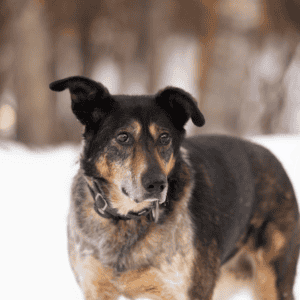
Recently our officers investigated a distressing case — more than a dozen dogs were found starving and lacked any form of shelter. We acted quickly to seize the animals and get them the care they needed. Their guardian was charged under the Animal Protection Act and eventually pleaded guilty.
During sentencing, we provided a community impact statement for the court to consider. Our goal was simple: to encourage the courts to take cases of animal abuse and neglect more seriously.
“Let this case serve as a turning point — one where Alberta chooses to uphold its laws, to protect the voiceless, and to honour the efforts of those who stepped in to save what lives they could.”
Excerpt from our community impact statement.
Submitted after a guilty plea or verdict, these statements help the court fully understand that animal cruelty does not happen in isolation; it affects neighbours, responders, donors, volunteers, and all Albertans who believe animals deserve protection. By sharing that broader impact, we advocate for sentences that reflect not only accountability, but sentencing that reflects deterrence, prevention, and rehabilitation.
The Justice accepted our statement, acknowledging its significant impact, and sentenced the guardian to an 18-month conditional sentence (house arrest) and a 10-year prohibition on owning or living with animals. This is a stronger sentence than is typical in these types of cases.
We strive to deter animal cruelty before it happens, working closely with the courts to ensure offenders are held accountable and animals are protected.
Horses in Distress: When Enforcement Is Stalled
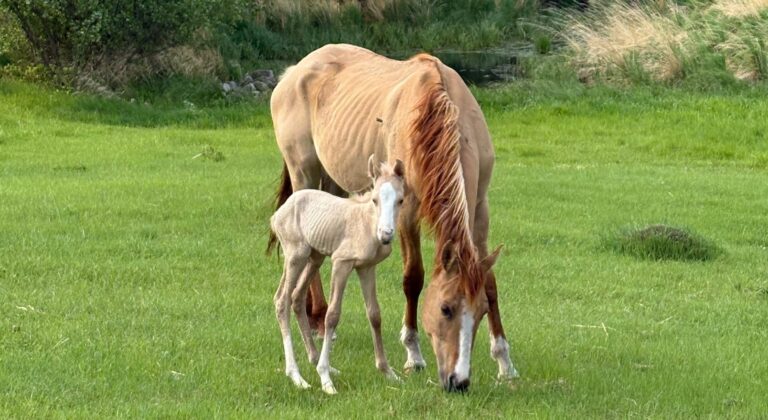
In another case, we faced challenges enforcing a lifetime ownership ban against the guardian of horses found in distress. Peace officers don’t have direct authority under the Criminal Code and relying solely on criminal enforcement was slow and uncertain.
To address this enforcement gap, we pursued a civil court order, and sought legal permission to enter the property, remove the horses, and place them into safe care. The court granted the order, allowing our peace officers to act lawfully, even without Criminal Code authority.
This civil approach allowed us to act swiftly to protect the horses when traditional enforcement channels stalled.
Setting a New Standard for Animal Welfare in Alberta
These two cases demonstrate how we’re evolving to meet changing challenges in animal welfare. As leaders in animal welfare, we remain committed to upholding the standards Albertans expect. We believe that when compassion, expertise, and legal innovation come together, meaningful change is possible and animals are safer because of it.