
Caring For Your Animals This Winter
Under Alberta’s Animal Protection Act, caregivers have a duty to provide their animals with adequate shelter and reasonable protection from injurious heat or cold (Section 2.1). Animals deprived of shelter are considered to be in distress, but the definition of shelter depends on the species, breed, age and health of the animal in question. Ensuring your animals are prepared with proper shelter for Alberta’s long winters before the cold hits is one of the best ways to keep them healthy and safe.
Livestock Shelter
Our peace officers respond to hundreds of calls every winter from Albertans concerned about animals remaining outdoors during cold stretches. While many species and types of livestock are able to withstand our cold temperatures, caregivers and owners should take additional steps before and during the winter months to ensure the well-being of their animals.
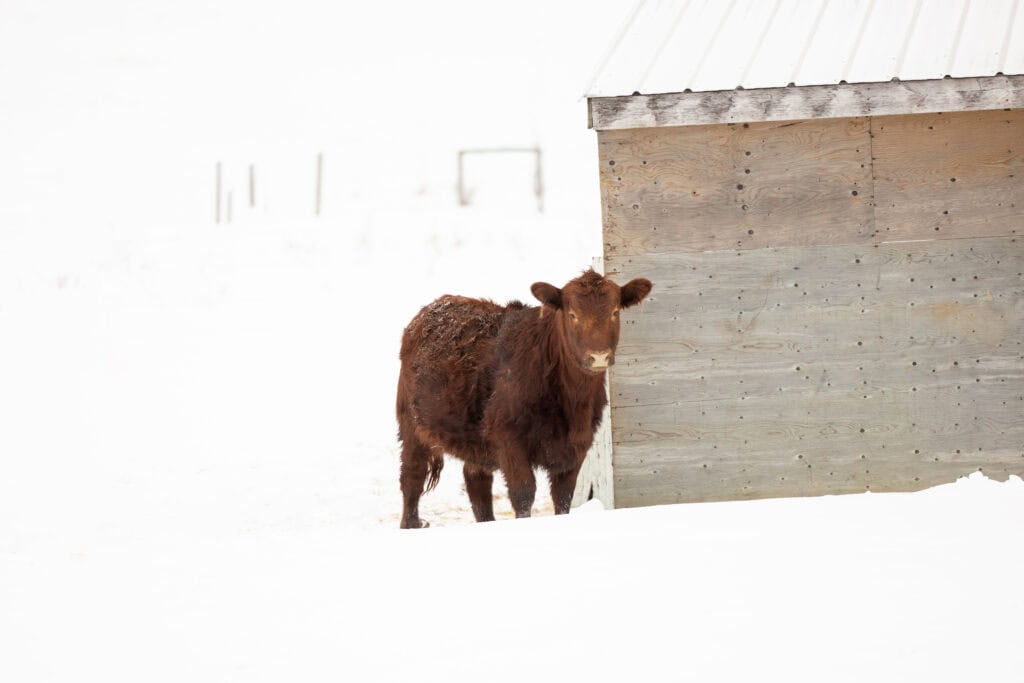
Under the Animal Protection Act, all animals need access to a form of shelter. This need is heightened during extreme conditions; however, every animal and species have different needs. As a general rule, proper shelter for livestock should include a wind break and cover from precipitation. These may include natural barriers, such as thickets or bluffs, or structures such as barns or stables. These structures should be well ventilated and kept dry.
Other Considerations
Providing access to shelter is a legal requirement for caregivers, but caregivers should take other welfare considerations into account to keep their animals healthy this winter.
Special attention should be given to young, old or sick animals, who may require additional shelter during particularly cold months or during heavy precipitation. Consult your veterinarian before winter starts to ensure these animals are in good health and to discuss additional steps you may need to take to maintain their welfare.
Livestock need additional feed during the winter months to maintain body temperature and energy. Fresh, unfrozen water is also necessary, as snow alone does not provide enough hydration for animals.
While many caregivers choose to blanket their animals, most animals do not need to be blanketed during the winter. Horse and cattle hair form natural insulation to maintain body temperatures during cold stretches. Blanketing an animal after it has snowed can potentially trap water between the blanket and their coats, causing dampness, which can decrease body temperature.
Outdoor Dogs
During Alberta’s long, harsh winters, dogs can be particularly susceptible to the cold weather. Although some dogs live outdoors full-time, steps must be taken to ensure they have proper shelter to maintain their health and welfare during the winter. This includes providing access to an appropriately sized insulated shelter, fresh water and dry bedding.
To learn more about proper dog shelter, click here.
Unfortunately, our peace officers have responded to cases of dogs left outdoors without shelter for multiple days during winter. Even for breeds we typically associate with the cold, such as huskies, this exposure can be lethal without proper shelter. Caregivers should allow dogs who live primarily outdoors access to an indoor shelter if temperatures drop extremely low.
Indoor Dogs
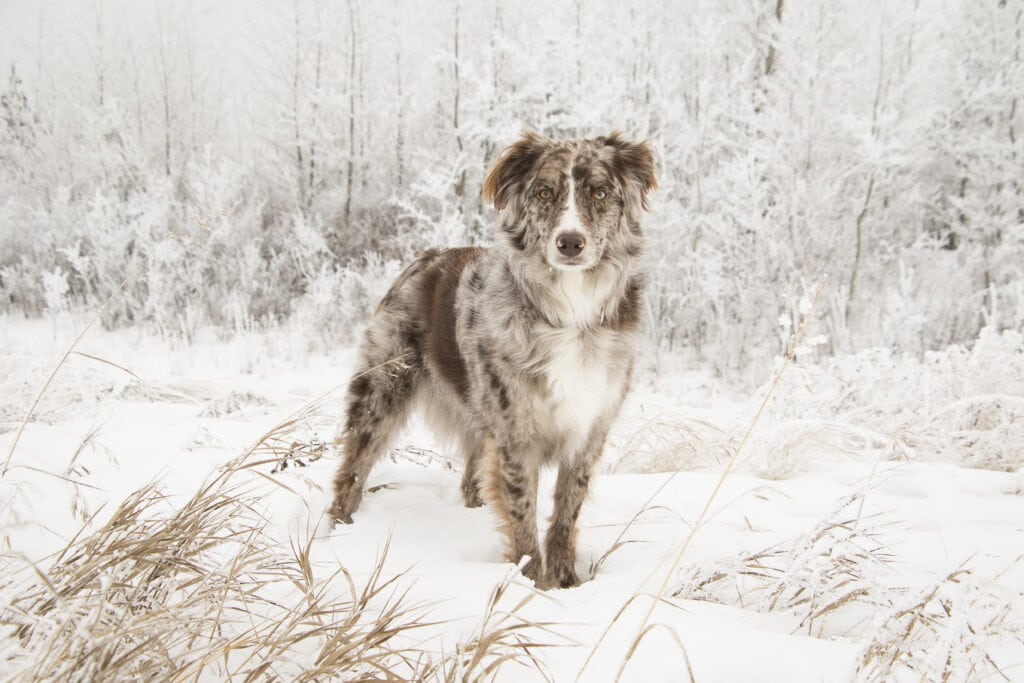
While most caregivers find ample time to exercise their indoor dogs during the summer, it can be difficult to match that same level during the winter months. The cold and snow deter many caregivers (and some dogs!) from their typical outdoor walks. Snow and ice in particular can build up in your dog’s paws during a long walk. Ice melt or salt can also be harmful to your dog’s paws, causing irritation, dryness or chemical burns. Pay special attention to your dog’s paws and monitor them for signs of discomfort or pain.
Taking multiple, shorter walks daily can provide your dog with proper exercise without over-exposing them to the harsh conditions. High-quality snow boots can prevent painful build-up on longer walks. Ensure they fit properly to minimize discomfort, and use them for short periods at a time while your dog gets used to them. Indoor enrichment, such as a treat-filled puzzle, can provide excellent enrichment for a dog on particularly cold or snowy days.
Alberta’s winters can pose challenges to caregivers and guardians of both livestock and companion animals. Being proactive by preparing appropriate shelter and working with your veterinarian to keep your animals healthy before winter starts can ensure the well-being of your outdoor animals this winter.