
Alberta SPCA Gives Neglected Dogs a Voice in Court
In a recent case where the owner of several starved and neglected dogs pleaded guilty, the Alberta SPCA provided a community impact statement to the court to be considered at sentencing. Our goal is to help encourage the courts to take cases of animal abuse and neglect even more seriously.
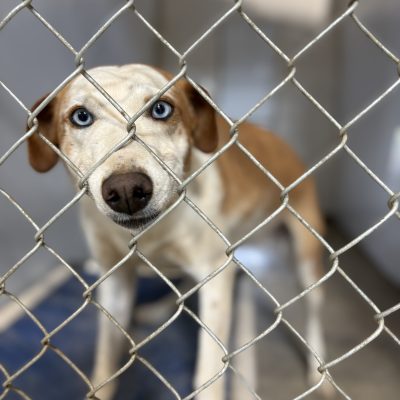
The dogs in this case were found in terrible shape, thin, weak, and frightened. Some were too frail to even walk or lift their heads. They suffered in silence, without food or water, with open wounds and untreated illnesses. These animals were denied not just their basic needs but also the companionship, safety, and kindness they deserved.
Each of these dogs felt pain. Each endured fear, confusion, and suffering at the hands of someone who should have cared for them.
Why a Community Impact Statement Matters
A community impact statement — sometimes called a victim or harm-to-community statement — gives communities or community representatives a way to describe how crimes of cruelty or neglect affect more than just the animals directly involved.
It helps the court see the broader harm, such as loss of public trust, emotional and financial costs, and the effect on welfare standards and public expectations.
These statements are considered after a guilty plea or verdict, helping judges make informed decisions that reflect all aspects of the harm caused, not just the physical suffering of the animals, but also what it means for the community’s sense of compassion and justice.
Influencing Sentencing Toward Prevention, Deterrence, and Rehabilitation
When determining a sentence, courts consider not only the harm caused but also whether the sentence is sufficient to deter others and prevent future offences. Community statements play a key role in this process, offering context that supports meaningful change.
In cases like this, it may lead to conditions such as probation, a ban on owning animals, or restitution to help cover the cost of care. These outcomes aren’t just about punishment; they’re about prevention, education, and helping ensure animals are better protected in the future.
Advocating for Animals
Animals are not legal persons under Canadian law, but organizations like the Alberta SPCA can act as advocates for them. Our role is to make sure their suffering, recovery, and resilience are recognized and recorded as part of the justice process. The court is expected to deliver a sentence for this case soon.
Each one of these dogs from this case are now on a better path, and their story reminds us why it’s so important to keep speaking up, for those who can’t.
To learn more, read the latest edition of our Animal Kind newsletter.